
Forbidden City Inner Court: Differences Among the Three Halls
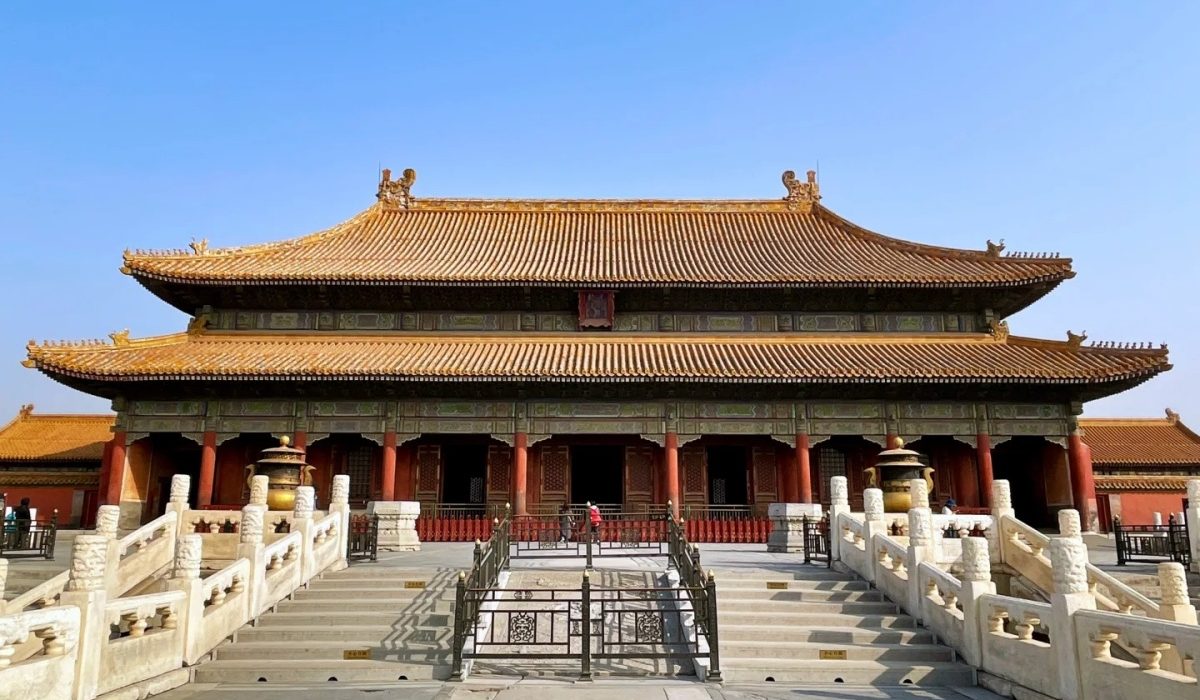
The Forbidden City in Beijing is divided into two main parts: the Outer Court and the Inner Court. While the Outer Court handled state ceremonies, the Inner Court was the emperor’s private world. This is where daily life unfolded for the royal family. It also held deep political, cultural, and symbolic meaning. Let’s take a closer look at the three main halls in the Inner Court: the Palace of Heavenly Purity, the Hall of Union, and the Palace of Earthly Tranquility.
What Are the Differences Among the Three Halls?
All three halls sit in a line along the Forbidden City’s central axis in Beijing. Despite this, each hall has a distinct purpose:
Palace of Heavenly Purity
- Role and Function:
The Palace of Heavenly Purity was originally the emperor’s residence in the Forbidden City during the Ming Dynasty. In the Qing Dynasty, it became the emperor’s working space where he issued important decisions and received officials. It marked the center of daily political life inside the Forbidden City. -
Architectural Features:
This palace stands on the central axis of the Forbidden City, reflecting symmetry and imperial control. Inside, you’ll find a throne beneath the “Justice and Honesty” plaque, a powerful message about the emperor’s duty to rule with virtue. - Symbolism:
The Palace of Heavenly Purity represents power and duty. It shows how the emperor balanced his political authority with his personal responsibilities within the heart of the Forbidden City.


Hall of Union
- Role and Function:
The Hall of Union connects the emperor’s and empress’s residences. In the Forbidden City, this small but important hall symbolizes harmony between yin and yang, emperor and empress. It also stored imperial jade seals used for seasonal rituals and timekeeping. -
Architectural Features:
Located between two larger halls, the Hall of Union is square in shape and houses twelve imperial seals that correspond to the Chinese zodiac and seasons. This hall reflects how time and ritual were part of everyday life in the Forbidden City. - Symbolism:
This hall stands for unity and balance, core values in imperial philosophy. Its presence in the Forbidden City reminds us of how deeply tradition and symbolism guided palace life.


Palace of Earthly Tranquility
- Role and Function:
The Palace of Earthly Tranquility was the empress’s residence during the Ming Dynasty and later became the site of imperial weddings and Manchu rituals during the Qing Dynasty. These traditions shaped the Inner Court of the Forbidden City. -
Architectural Features:
This palace includes the famous red bridal chamber, where royal weddings took place. Inside are embroidered curtains, a dragon-and-phoenix bed, and a Hundred-Child quilt, all rich in cultural meaning and preserved within the Forbidden City. - Symbolism:
The Palace of Earthly Tranquility highlights feminine virtue, tradition, and sacred ceremonies. It reflects how the Forbidden City balanced political power with personal and spiritual life at the highest level.


Summary: Key Differences Among the Three Halls
This table clearly shows the differences among the three halls in the Forbidden City’s Inner Court. Each hall reflects a distinct aspect of royal life—power, balance, and tradition—offering a deeper look into the emperor and empress’s personal world. Together, they reveal how daily life and symbolism shaped the heart of the imperial palace.
| Hall Name | Primary Ming Dynasty Use | Primary Qing Dynasty Use | Notable Architectural Feature | Symbolic Significance |
|---|---|---|---|---|
| Palace of Heavenly Purity | Emperor’s residence | Emperor’s office and audience hall | Large throne room with “Justice and Honesty” plaque above the throne | Symbol of imperial authority and moral governance in the Forbidden City |
| Hall of Union | Storage of ceremonial items | Storage of imperial seals and timekeeping tools | Square layout housing 12 imperial seals tied to zodiac and seasons | Represents harmony and the union between emperor and empress in the Forbidden City |
| Palace of Earthly Tranquility | Empress’s residence | Site for weddings and shamanic rituals | Red bridal chamber, dragon-phoenix bed, and Hundred-Child curtain | Stands for feminine virtue, family life, and cultural continuity in the Forbidden City |
Frequently Asked Questions
Can I enter all three?
View from doorways only (no interior access).
Best vantage points:
Heavenly Purity: Terrace steps
Hall of Union: South moon gate
Earthly Tranquility: Wedding chamber threshold
Which is most ornate?
Earthly Tranquility:
Vibrant red wedding symbols 🎎
Gold-phoenix ceiling art
Manchu ritual bronzes
Best visiting order?
South → North path:
Earthly Tranquility (empress)
Hall of Union (seals)
Heavenly Purity (emperor)
(Follows historical hierarchy)
What will we visit at the next stop?
After exploring the Three Halls:
-
Walk 100 steps north → Enter the Imperial Garden (御花园):
-
Ancient cypresses, rockeries & pavilions
-
Qin’an Temple: Taoist shrine for cosmic balance
-
-
Or head east/west → Discover the Six Eastern/Western Palaces:
-
Concubines’ quarters with dramatic stories
-
Clock Exhibition (east) / Treasure Gallery (west)
-