

First-Time Visitor’s Guide to the Forbidden City
Planning your first visit to the Forbidden City? As one of China’s most famous cultural landmarks and a UNESCO World Heritage Site, the Forbidden City attracts millions of visitors each year. However, its vast size, ticket reservation requirements, and popularity can be overwhelming for first-time travelers. Understanding how to book tickets in advance, choose the best visiting route, avoid peak crowds, and identify the most important highlights will help you make the most of your experience.
This first-time visitor’s guide covers everything you need to know, from practical travel tips and must-see sites to useful advice for navigating Beijing’s most iconic imperial palace complex with confidence.
Forbidden City Overview
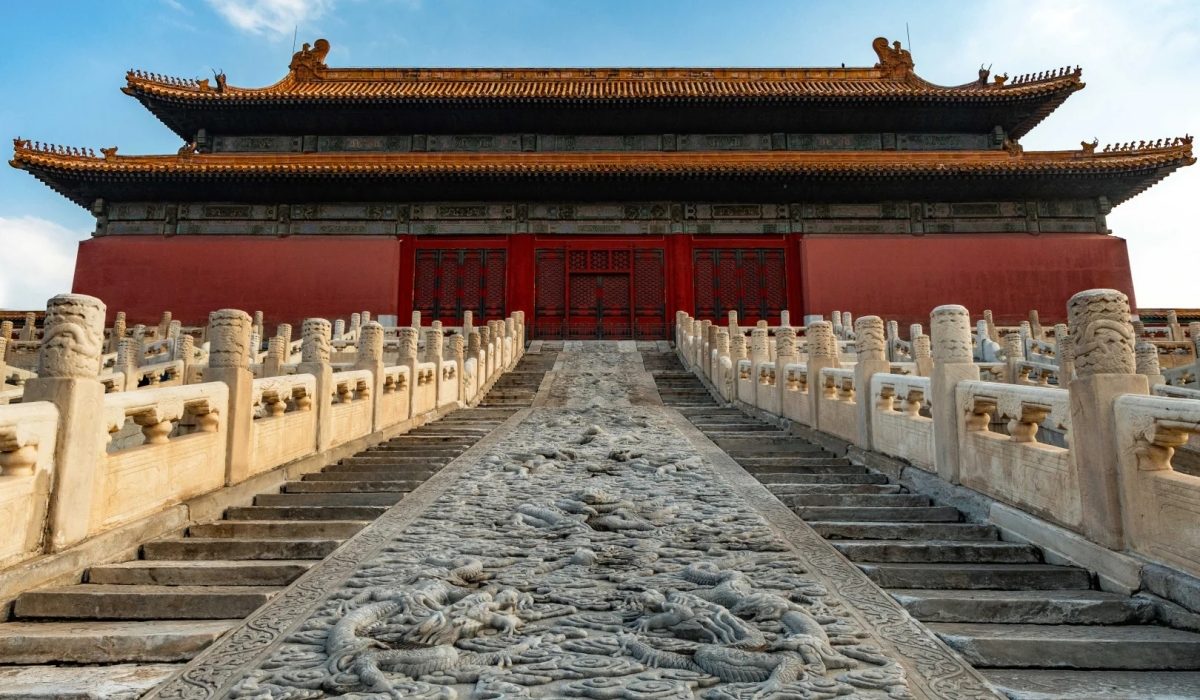
Located in the heart of Beijing, the Forbidden City is the world’s largest and best-preserved imperial palace complex. Built between 1406 and 1420 during the Ming Dynasty, it served as the home and political center of 24 emperors for nearly 500 years.
Covering 720,000 square meters, the vast complex features grand ceremonial halls, imperial residences, temples, gardens, and nearly 1,000 historic buildings that showcase the finest examples of traditional Chinese architecture.
Today, the Forbidden City is known as the Palace Museum, home to an extraordinary collection of Chinese cultural treasures, including paintings, ceramics, jade, and calligraphy. Designated a UNESCO World Heritage Site in 1987, it remains one of China’s most iconic and visited landmarks.
Do You Need to Book Tickets in Advance?
Yes.
The Forbidden City operates under a reservation system, and same-day tickets are generally unavailable. Visitor numbers are limited each day, especially during weekends, public holidays, and peak travel seasons.
Booking tickets several days in advance is strongly recommended. During major holidays such as China’s National Day Golden Week and summer vacation periods, tickets can sell out quickly.

Best Time to Visit The Forbidden City
Spring (April to May) and autumn (September to October) are widely considered the best seasons to visit the Forbidden City. The weather is generally pleasant, and the palace’s red walls and golden roofs are particularly beautiful during these months.
In terms of the best time of day, arriving shortly after the museum opens is highly recommended. Early morning visits typically offer cooler temperatures, softer lighting for photography, and fewer crowds in popular areas such as the Hall of Supreme Harmony. Late morning and early afternoon tend to be the busiest periods, especially during peak travel seasons.
To avoid the largest crowds:
- Arrive shortly after opening.
- Avoid weekends when possible.
- Visit outside major Chinese public holidays.
How Much Time Should You Allow?
Most first-time visitors spend between three and five hours exploring the Forbidden City.
A typical route follows the central axis:
- Meridian Gate
- Hall of Supreme Harmony
- Hall of Central Harmony
- Hall of Preserving Harmony
- Palace of Heavenly Purity
- Palace of Earthly Tranquility
- Imperial Garden
💡Visitors interested in architecture, history, and museum exhibitions may wish to allow additional time.
Must-See Highlights
Hall of Supreme Harmony
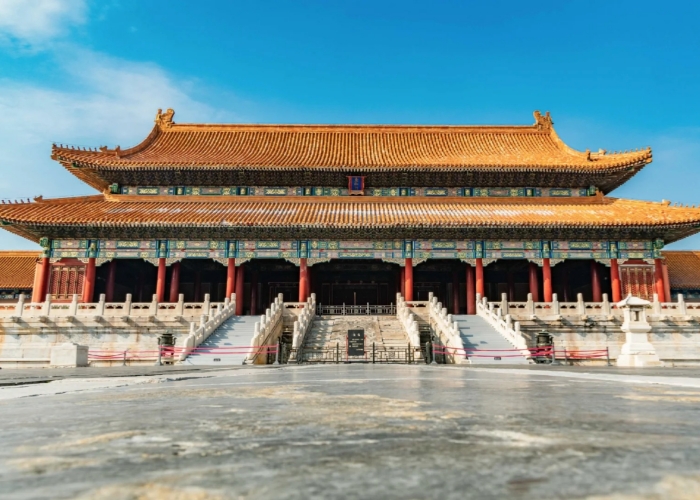
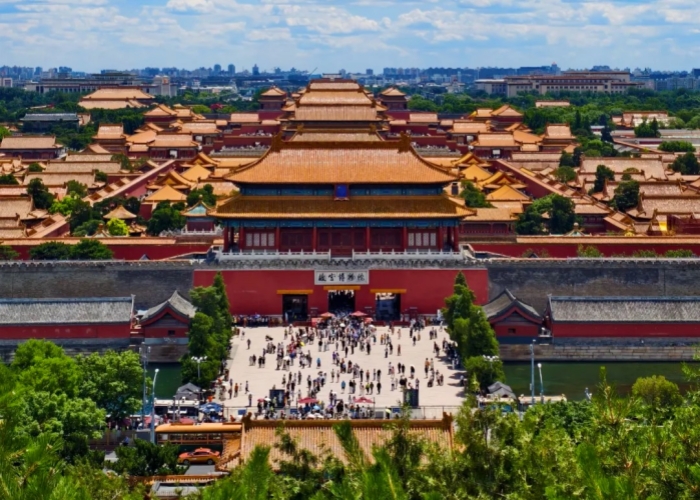
The Hall of Supreme Harmony is the largest and most impressive building in the Forbidden City. It was used for major imperial ceremonies, including coronations and important state events. The elevated marble terraces and golden roof make it one of the most photographed landmarks within the complex.
Hall of Central Harmony and Hall of Preserving Harmony
Located behind the Hall of Supreme Harmony, these two halls formed part of the imperial ceremonial center. Together, they provide insight into the rituals and traditions of China’s imperial court.
Palace of Heavenly Purity
This palace served as the residence of Ming emperors and later became an important location for Qing Dynasty state affairs.
Imperial Garden
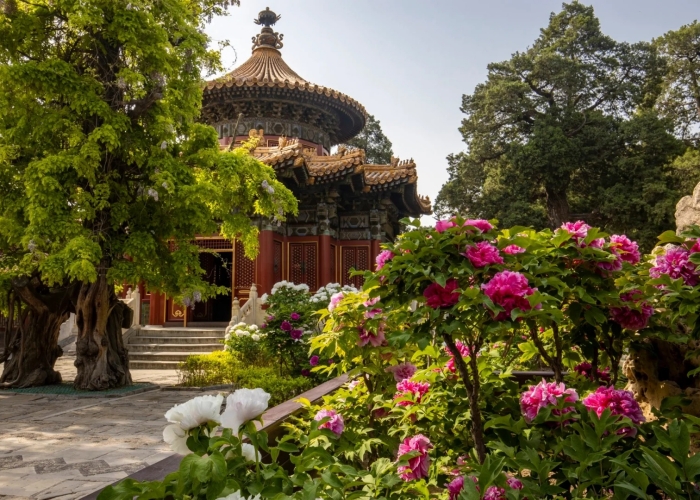
At the northern end of the Forbidden City, the Imperial Garden offers a quieter atmosphere with traditional landscaping, ancient trees, pavilions, and decorative rock formations.
Common Mistakes First-Time Visitors Make
Arriving Without a Reservation
Many visitors are surprised to learn that tickets often sell out in advance. Booking early is essential, particularly during busy travel periods.
Underestimating the Scale of the Forbidden City
The Forbidden City covers more than 70 hectares. Walking distances can be much greater than many visitors expect.
Skipping Jingshan Park
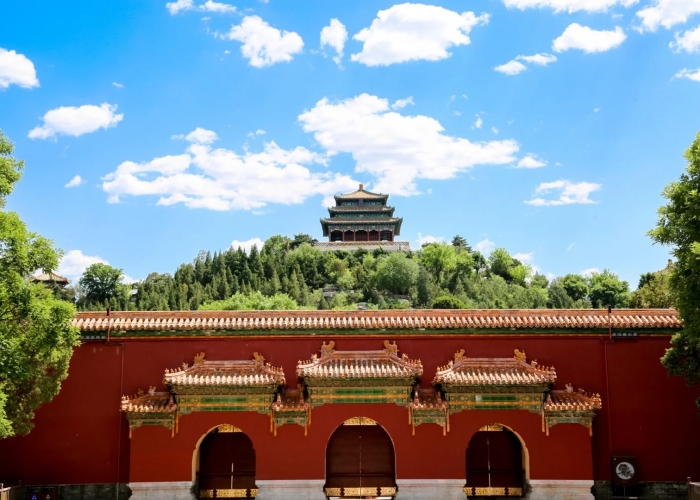
After exiting through the northern gate, a short walk to Jingshan Park rewards visitors with one of the best panoramic views of the entire Forbidden City.
Visiting During Peak Hours
Arriving early in the morning generally provides a more comfortable experience and better opportunities for photography.
Should You Visit Independently or Join a Tour?
Many travelers enjoy exploring the Forbidden City independently, particularly if they have researched the site’s history beforehand.
However, first-time visitors often find that guided tours provide valuable historical context and simplify logistics. This can be particularly helpful during busy travel periods when ticket reservations, transportation arrangements, and itinerary planning become more complex.
For travelers visiting multiple destinations across China, working with a reliable China tour operator can help streamline transportation, accommodation, and attraction bookings while providing local expertise throughout the journey.
Companies such as TravelChinaService assist international travelers with customized itineraries, transportation coordination, and destination planning across China, making it easier to combine Beijing with popular destinations such as Xi’an, Shanghai, Chengdu, Zhangjiajie, and the Yangtze River.
A visit to the Forbidden City is one of the most rewarding cultural experiences in China. With its magnificent architecture, fascinating history, and UNESCO-recognized heritage, it offers visitors an unforgettable journey into China’s imperial past.
By planning ahead, booking tickets early, and understanding the layout of the palace complex, first-time visitors can enjoy a smoother and more rewarding experience at one of the world’s greatest historical landmarks.