


The Forbidden City Clock Museum is a must-visit spot for anyone interested in unique timepieces or royal history. It houses over 200 precious clocks from the Qing Dynasty—each with fancy designs, clever mechanical tricks, and stories tied to the imperial family. This guide focuses on what you need to see and how to see it best. No complicated history lessons—just clear tips to help you spot the museum’s most amazing highlights.
Top 4 Must-See Clocks at the Forbidden City Clock Museum
Not all clocks at the Forbidden City Clock Museum are the same—some stand out for movement, design, or royal history. Here are four you should not miss and where to find them.
① Bronze-Gilt Clock with Writing Figure
- Where to find it: Right at the museum’s entrance, in the central display case. It’s tall (about 2 meters) and shiny—you’ll spot it as soon as you walk in.
- Why it’s a highlight: Wind it up, and a small figure in traditional clothes picks up a brush, dips it in ink, and writes 8 Chinese characters. The characters mean “Blessings and longevity fill your home.” The figure’s fingers move gently, just like a real person writing.
- Pro tip: Visit at 10:00 AM or 2:00 PM. Staff wind this clock during these times—you’ll get to watch the writing process live.


② Bronze-Gilt Enamel Gourd-Shaped Clock
- Where to find it: In the left-side display area, near the “Qing Court-Made Clocks” sign.
- Why it’s a highlight: It’s shaped like a gourd—a symbol of good luck in Chinese culture. The whole body is covered in bright enamel (think deep blues, reds, and greens) with flower and bird patterns. When it chimes, small doors on the gourd open, and tiny birds pop out to “sing” (a soft mechanical sound).
- Pro tip: Lean in slightly to see the enamel details—they’re super intricate. The colors still look vivid, even after 200 years.


③ Bronze-Gilt Elephant-Drawn Chariot Clock
- Where to find it: In the right-side “Foreign-Made Clocks” section, next to the French-style clocks.
- Why it’s a highlight: It looks like a small royal chariot pulled by an elephant. The elephant’s body has detailed patterns, and its eyes are black gemstones. When it works, the elephant’s legs move (like it’s walking), the chariot’s wheels turn, and a bell at the top chimes.
- Fun fact: This clock was a gift from France to Emperor Daoguang. It’s a fancy example of how foreign countries used clocks to impress the Qing royal family.


④ Bronze-Gilt Crane-and-Pavilion Clock
- Where to find it: In the back corner of the museum, near the window.
- Why it’s a highlight: It’s shaped like a crane (a symbol of longevity) carrying a small pavilion on its back. The crane’s feathers are carved so carefully, you can see each detail. When the clock runs, the crane’s head moves up and down, and the pavilion’s windows open to show tiny figures inside.
- Pro tip: Take a photo from the side—you’ll capture both the crane’s shape and the pavilion’s details.


How to Navigate the Forbidden City Clock Museum
The Forbidden City Clock Museum isn’t large, but a simple route helps you avoid missing key highlights. Follow this path.
- Start at the entrance: First, check out the “Writing Figure Clock” (the star exhibit) right when you walk in.
- Go left to the “Qing Court-Made Clocks” area: Here, you’ll find the gourd-shaped clock and other clocks made by the imperial workshop. These have strong Chinese design elements (like dragons, phoenixes, and pagodas).
- Head right to the “Foreign-Made Clocks” section: This is where the elephant-drawn chariot clock lives. You’ll also see clocks from the UK, France, and Germany—they have fancier metalwork and mechanical tricks.
- End at the back corner: Don’t skip the crane-and-pavilion clock here. The back area also has a small display of clock parts—you can see how the gears and springs work.
- Total time to spend: 40–60 minutes. This is enough to see all highlights without rushing.
Practical Tips for a Great Visit to the Forbidden City Clock Museum
These tips will help you make the most of your time at the Forbidden City Clock museum:
Where Exactly Is the Forbidden City Clock Museum?
- Enter the Forbidden City through the Meridian Gate (the main south gate).
- Walk straight for 5 minutes, then turn east (left) at the “Palace Museum” sign.
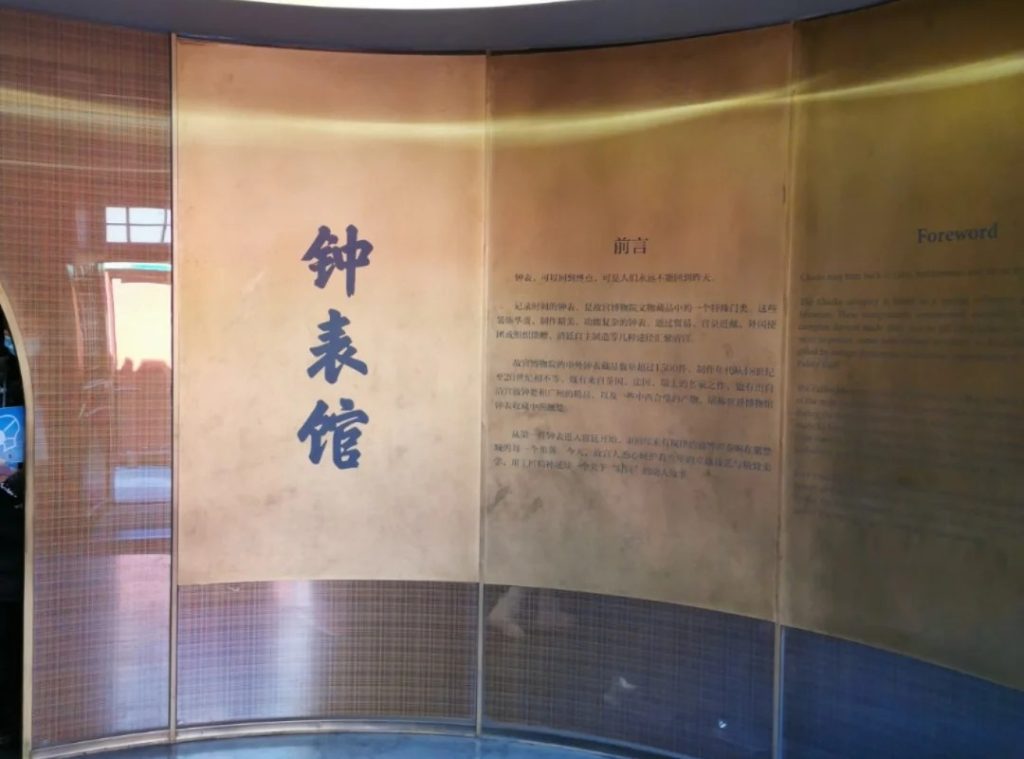
- Keep walking for another 5 minutes—look for the “Clock Museum” sign (it has both Chinese and English).
Best Time to Visit Forbidden City Clock Museum
- Time of day: Mornings (9:00 AM–11:00 AM) or early afternoons (1:00 PM–3:00 PM). These times are less crowded, so you can get close to the clocks.
- Don’t miss the live demos: As mentioned, staff wind key clocks at 10:00 AM and 2:00 PM. Plan your visit around these times to see the clocks move.
- Avoid closing time: The museum closes 1 hour before the Forbidden City. If the Forbidden City closes at 5:00 PM (April–October), leave the museum by 4:00 PM. If it closes at 4:30 PM (November–March), leave by 3:30 PM.

Small Hacks for a Better Experience
- Get a free audio guide: Pick one up at the museum entrance (you just need to leave your ID as a deposit). It tells you extra stories about the top clocks—like how they were used in the imperial palace.
- Don’t touch the displays: All clocks are behind glass—look closely, but don’t tap the glass (it can damage the exhibits).
- Take notes or photos: Use your phone to snap photos of your favorite clocks (no flash, please). Or jot down small details (like the writing figure’s characters) to remember later.
The Forbidden City Clock Museum showcases imaginative and intricate timepieces that blend art and mechanics. You don’t need deep historical knowledge to enjoy it—look for clocks that move, shine, or simply make you marvel.
Use this guide to see the top four must-see clocks, follow an easy route, and catch the live demonstrations. You’ll walk away with great photos and stories about the remarkable timepieces once treasured by Qing emperors.