

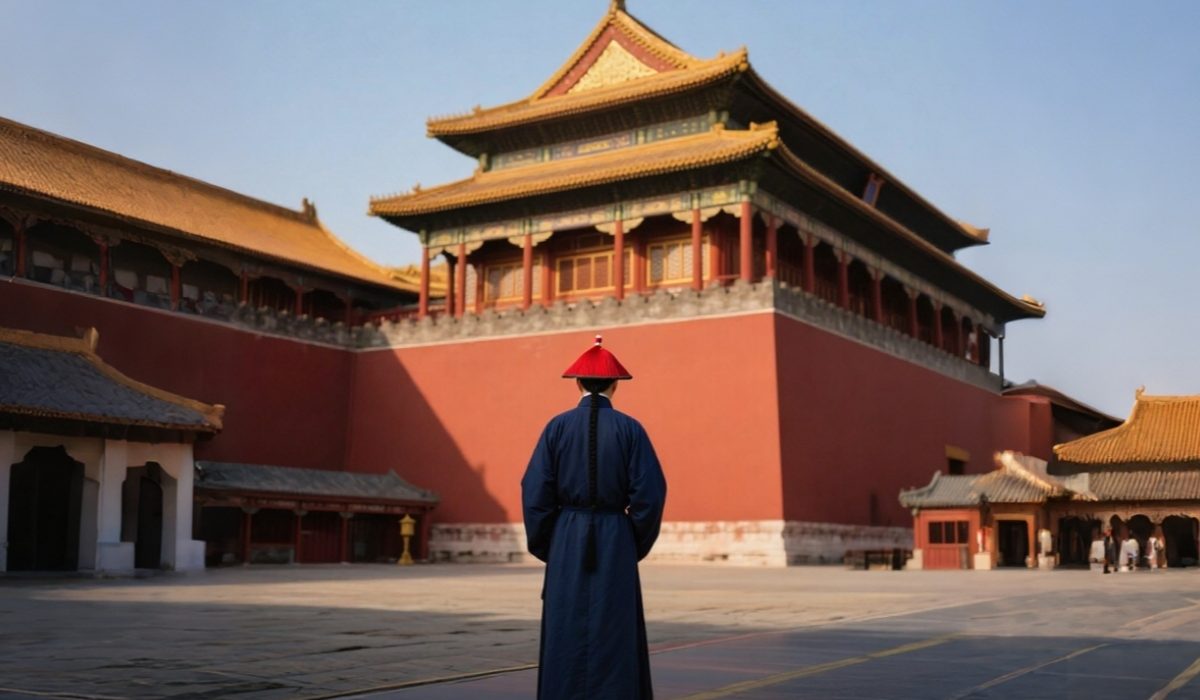
Eunuch: Castrated Man in Forbidden City
The term “eunuch” evokes images of ancient palaces, whispered secrets, and a unique place in history. Eunuchs were castrated men who served in various capacities in imperial China. Their lives were often marked by a complex interplay of power, loyalty, and profound personal sacrifice. Their roles ranged from domestic servants to powerful advisors, influencing the course of empires.
How did Eunuch come from?
The most fundamental reason was to ensure the purity of the emperor’s bloodline. With countless concubines and female attendants within the Forbidden City, the emperor needed absolute assurance that any child born within the inner palace was truly his own. Eunuchs, being unable to father children, eliminated this concern entirely.
Castration was also seen as a way to cultivate absolute loyalty. Without the ability to establish their own families or produce heirs, eunuchs were perceived as less likely to develop personal ambitions that might conflict with the emperor’s interests. Their entire focus, theoretically, would be on serving the imperial household, making them trusted figures in sensitive areas of the palace.
The procedure itself often involved the removal of both the testicles and the penis. While it could be a punishment in ancient times, many individuals, often from impoverished families, voluntarily underwent the procedure. Parents sometimes sold their young sons to eunuch-makers, driven by the desperate hope that this painful sacrifice would grant their family a path to influence, wealth, and status within the imperial court. The survival rate was not high, and the process was agonizing, performed without modern anesthesia.
Why Did Emperor Need Eunuch?
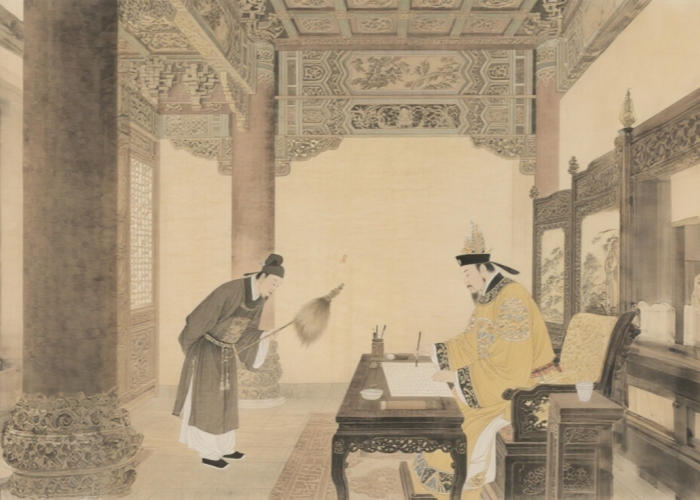
Eunuch’ s unique status allowed them access to parts of the Forbidden City where no other man, apart from the emperor himself and very young princes, was permitted. This made them essential intermediaries and the backbone of the palace’s daily operations.
Eunuchs served as personal attendants, managing every aspect of the emperor’s daily life, from his meals and wardrobe to his schedule and personal affairs. Their constant proximity to the emperor meant they were often privy to sensitive information and became trusted confidantes.
Did Eunuch become Gay by Being Castrated?
The idea that castration inherently made eunuchs “gay” is a common misunderstanding that does not align with historical and medical understanding. Castration, particularly if performed before puberty, did significantly alter a male’s physiology, leading to a lack of secondary sexual characteristics, a higher-pitched voice, and often a reduced sex drive due to hormonal changes. However, these physical changes do not determine a person’s sexual orientation.
In ancient China, societal views on sexuality differed greatly from modern Western concepts, and discussions around specific sexual identities like “gay” or “straight” as we understand them today were not prevalent. Eunuchs occupied a unique social space, seen as neither fully male nor fully female, but their primary identity was tied to their role as imperial servants rather than their sexual practices. Therefore, it is inaccurate to conclude that castration automatically led to a specific sexual orientation.
What Role Did Eunuch Play in the Forbidden City?
Eunuchs were far from mere background figures; they were deeply interwoven into the fabric of the Forbidden City’s daily life and political machinery. Their roles were diverse and critical, spanning across almost every aspect of imperial administration and personal service.
Guardians and Gatekeepers
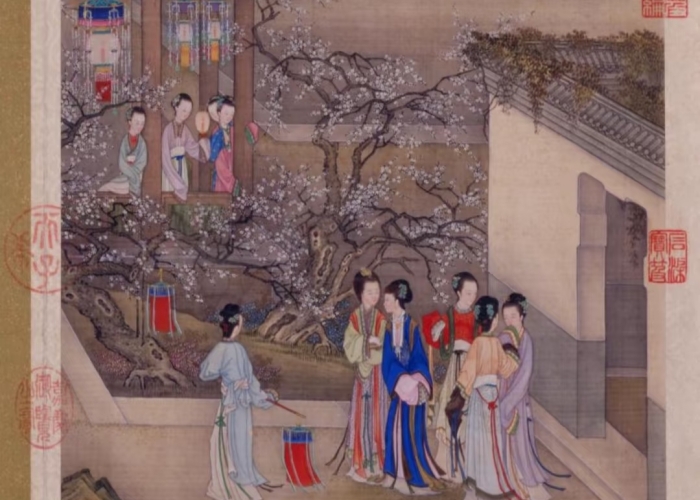
As the only adult males allowed unrestricted access to the inner palace and the women’s quarters, they ensured the chastity of concubines and watched over the emperor’s wives, a role that was paramount for maintaining the purity of the imperial bloodline. Beyond this, they controlled access to the emperor himself, acting as gatekeepers for officials and petitioners, which gave them immense leverage over communication and influence.
Administrative Powerhouses
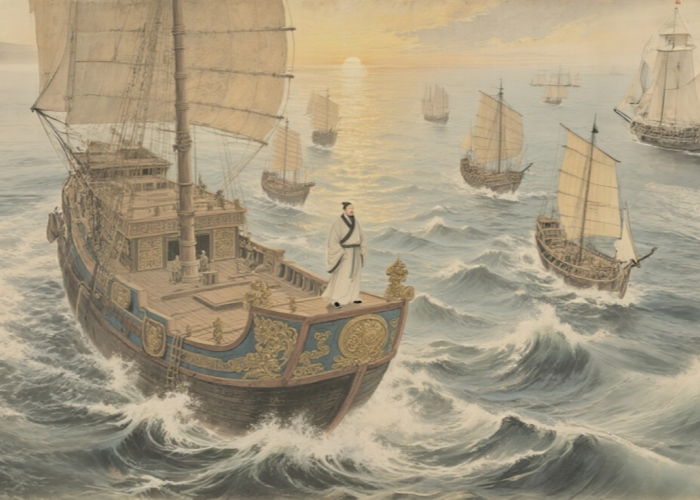
Eunuchs were the operational backbone of the Forbidden City. They managed enormous staffs, oversaw logistical operations, and handled the emperor’s finances. Their duties ranged from supervising the imperial kitchen to managing the vast bureaucracy of the inner court. Many became highly skilled administrators, capable of running complex systems and ensuring the smooth functioning of the entire palace complex. Famous examples include Admiral Zheng He, who led grand maritime expeditions across the globe.
Political Influence and Intrigue
Due to their constant proximity to the emperor, many eunuchs rose to positions of extraordinary political power. They could influence policy decisions, advise the emperor on crucial matters, and even lead military campaigns. Figures like Wei Zhongxian during the Ming Dynasty accumulated immense power, placing allies in key positions and becoming de facto rulers.
Cultural and Artistic Facilitators
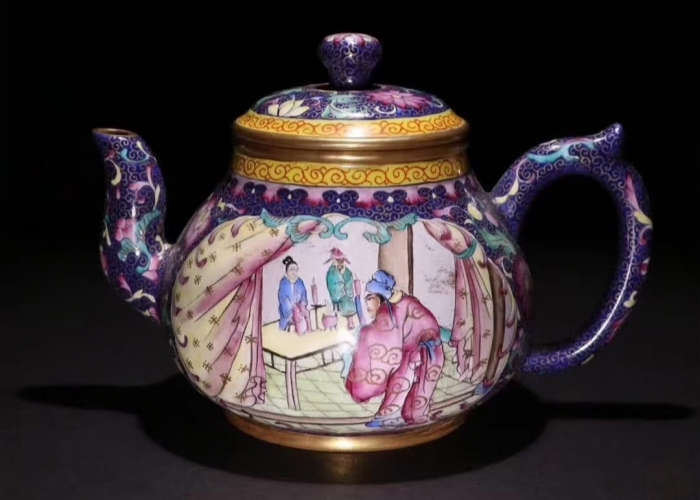
Beyond politics, eunuchs played a significant, though often understated, role in fostering imperial culture and arts. They were often responsible for managing the imperial workshops, including those dedicated to producing fine Chinese ceramics. They oversaw the artisans, managed supplies, and ensured that the imperial kilns produced exquisite pieces of porcelain, often inscribed with imperial marks or even the names of the eunuchs themselves.
Frequently Asked Questions (FAQs) about Eunuch
Were all eunuchs in the Forbidden City powerful and corrupt?
No, not all eunuchs were powerful or corrupt. Many served faithfully in mundane administrative roles, performing essential daily tasks. However, the system’s structure allowed some to accumulate immense power, leading to instances of corruption and intrigue, which often overshadowed the honest majority.
When did the eunuch system in China end?
The eunuch system formally ended in 1924 when the last emperor, Puyi, was expelled from the Forbidden City. However, the influence of eunuchs had significantly waned by the late Qing Dynasty.