

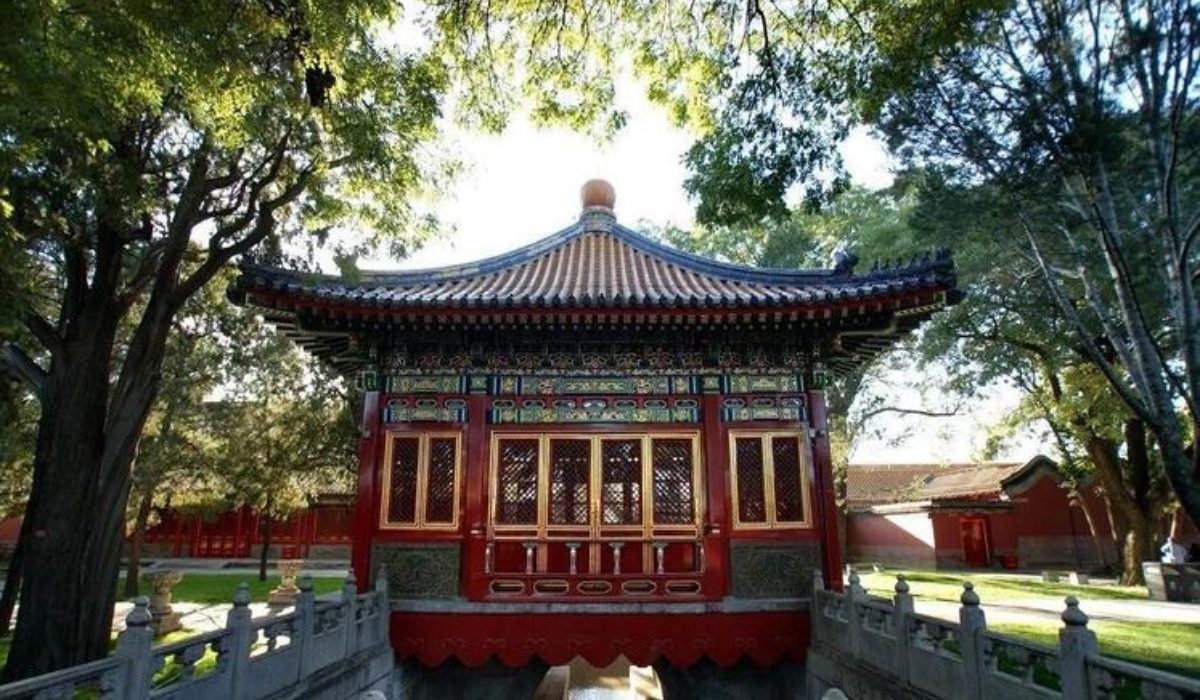
Cining Palace Garden | Where Imperial Consorts Found Peace
This article aims to explore the historical significance and tranquil beauty of the Cining Palace Garden in the Forbidden City. Once an exclusive retreat for empresses and imperial consorts, the garden lies just west of the Cining Palace and served as a private sanctuary for leisure and reflection. Characterized by elegant pavilions, ancient pine trees, decorative rockeries, and winding paths, the space blends natural elements with refined architecture, offering a rare glimpse into the secluded lives of imperial women during the Ming and Qing dynasties.

What Makes Cining Palace Garden a Unique Imperial Sanctuary?
How did its purpose evolve through the dynasties?
Initially a residence for empresses during the Ming Dynasty, Cining Palace and its adjacent garden transformed with the advent of the Qing Dynasty. While portions were repurposed for Shamanist worship by the Manchu rulers, and empresses no longer resided there from the Yongzheng Emperor‘s reign onwards, ceremonial rooms remained important for imperial rituals, such as the Emperor’s wedding night. However, its primary function as a tranquil retreat for empresses dowager and imperial consorts, providing a quiet refuge for relaxation and spiritual practices, endured throughout its history.
Why was it so vital for the well-being of royal women?
In the highly structured and often restrictive environment of the Forbidden City, Cining Palace Garden offered a critical escape. It provided a peaceful natural retreat where empresses dowager and consorts could find respite from the pressures and intrigues of court life. This serene environment was essential for their mental and emotional well-being, fostering a sense of peace and enabling personal reflection away from public scrutiny.

How Does Its Design Reflect Its Purpose as a Peaceful Retreat?
What architectural elements foster an atmosphere of serenity?
Cining Palace Garden’s design meticulously integrates traditional Chinese landscaping principles, featuring winding pathways, elegant pavilions, reflective ponds, and lush greenery. These elements are strategically arranged to create an environment conducive to meditation and repose. The main building, the Hall of Inherence, with its yellow glazed tiles, and the subordinate halls, featuring green glazed tiles, further emphasize the garden’s imperial significance and aesthetic harmony.
Which key structures defined its tranquil character?
Prominent structures within the Cining Palace Garden include the Hall of Compassion and Tranquility, which served as a primary place for meditation and worship, and the Grand Hall for Worshipping Buddha. These buildings, along with various living quarters, were integral to nurturing the spiritual well-being of the garden’s residents. A narrow square running east to west in front of the Hall of Compassion and Hall of Tranquility, leading to the tranquil garden itself, also contributes to its unique layout.

What Activities Defined Life Within the Cining Palace Garden?
What daily routines unfolded in this imperial haven?
Within the serene confines of Cining Palace Garden, imperial women engaged in a variety of activities aimed at fostering peace and personal growth. They would stroll along the winding pathways, find solace in reading, practice calligraphy, and partake in spiritual rituals. These activities, facilitated by the garden’s peaceful ambiance, were considered essential for maintaining mental and emotional balance amidst the strictures of palace life.
How did the garden facilitate private spiritual practices?
The presence of dedicated spaces such as the Grand Hall for Worshipping Buddha underscored the garden’s role in supporting the spiritual lives of royal women. These areas allowed them to seek divine blessings and cultivate inner peace through meditation and worship. The tranquil environment, coupled with the opportunity for spiritual engagement, contributed significantly to their overall well-being.

Frequently Asked Questions and Answers (FAQs) of Cining Palace Garden
How does Cining Palace Garden differ from other gardens in the Forbidden City?
While all imperial gardens provided aesthetic pleasure, Cining Palace Garden was specifically designated as a private sanctuary for royal women, offering a more intimate and secluded environment focused on personal tranquility and spiritual reflection, unlike the more public Imperial Garden.
What kind of artifacts can be seen at Cining Palace today?
Today, exhibitions within the Cining Palace complex showcase restored interior décor, furnishings from the Qianlong reign, religious figures, pottery figurines, and pictorial tomb bricks and slabs, providing insights into the daily lives and spiritual practices of its former inhabitants.
What is the best time to visit Cining Palace Garden for a tranquil experience?
To experience the garden’s tranquil atmosphere with fewer crowds, it is recommended to visit early in the morning when the Forbidden City first opens, typically around 8:30 AM.