

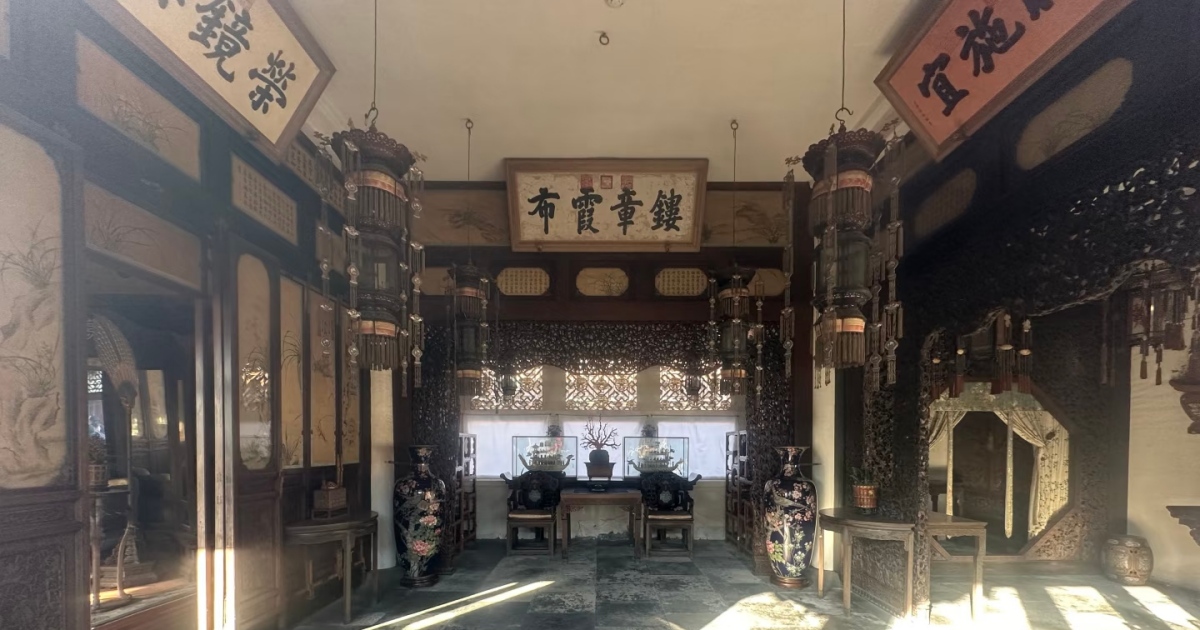
Chuxiu Palace: The Power Center of the Forbidden City
Planning a visit to Chuxiu Palace? This guide covers its top highlights, rich history as Empress Dowager Cixi’ s power center, and practical tips to make the most of your stop within the Forbidden City.
A Tour Guide to Visit Chuxiu Palace
Where is Chuxiu Palace?
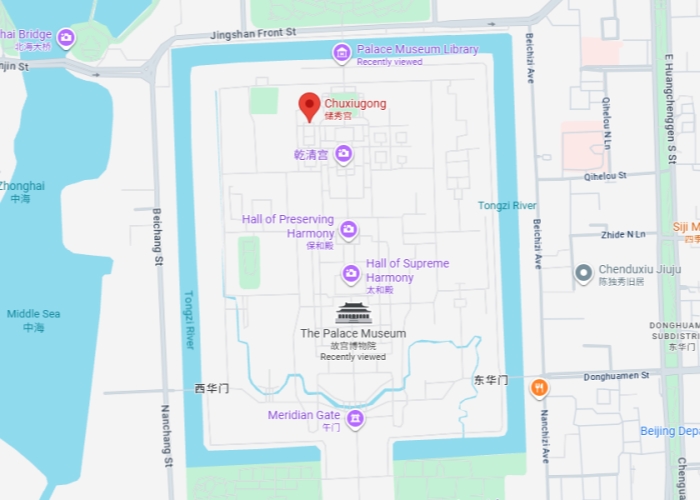
Chuxiu Palace (储秀宫), located within the Forbidden City in Beijing, sits on the western side of the Inner Court, among the Six Western Palaces that once housed imperial concubines.
To reach Chuxiu Palace, visitors should enter the Forbidden City through the main Meridian Gate (午门 in Chinese). After passing through the grand halls along the central axis—such as the Hall of Supreme Harmony and the Gate of Heavenly Purity—visitors turn left (west) into the area of the Six Western Palaces. Chuxiu Palace is located within this section, about a 15- to 20-minute walk from the main entrance. For easier navigation, visitors are advised to use the official Palace Museum map or mobile app, as the complex is vast and full of connecting courtyards.
How Long to Stay in the Palace?
The time you spend at Chuxiu Palace largely depends on your interests and overall Forbidden City itinerary.
- A “Quick Look” (10-20 Minutes)
For many tourists, especially those navigating the vast Forbidden City, a 10 to 20-minute stop at Chuxiu Palace is ideal. This duration allows you to:
From the courtyard, visitors can admire the elegant main hall of Chuxiu Palace and peer through its windows to glimpse the historic interior displays. Informational plaques provide brief insights into the lives of Empress Dowager Cixi and Empress Wanrong (the last empress of China). The traditional architecture and tranquil surroundings also offer excellent opportunities for photography, capturing the timeless beauty of this imperial residence.
- A Deeper Exploration (30-45 Minutes)
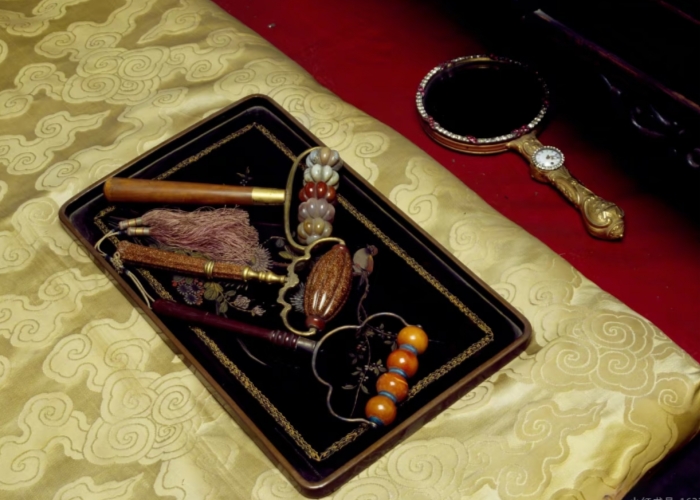
If you have a keen interest in history, especially in the Qing Dynasty or the lives of imperial women, consider spending 30 to 45 minutes exploring Chuxiu Palace for a more immersive experience. Take the time to study the intricate architectural details and fine craftsmanship that reflect the elegance of the imperial era. Each hall and courtyard reveals traces of the royal lifestyle, offering a quiet yet fascinating glimpse into a world once reserved for the emperor’s consorts.
As you continue your visit, discover stories about the daily routines and ceremonial events of the palace’s former residents, and step into Lijingxuan, the empress’s private study and living space, to gain deeper insight into late-Qing court life. The exhibits here add context to the personal world of Empress Dowager Cixi and her contemporaries. Don’t rush—pause to capture photographs of the graceful architectural lines, decorative details, and serene atmosphere that make Chuxiu Palace one of the most evocative corners of the Forbidden City.
Top Highlights to See in the palace
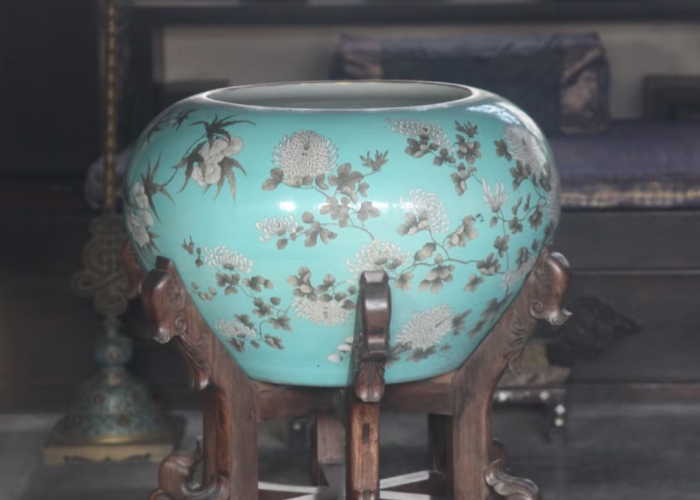
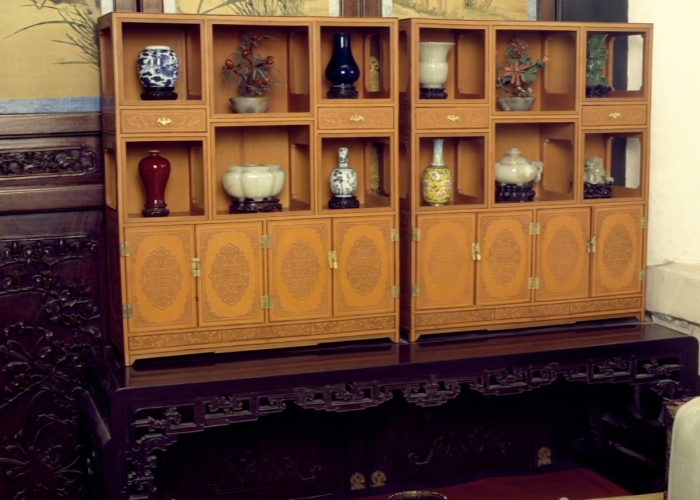
- Porcelain: Ornate blue-and-white or famille-rose porcelain vases from the Qing Dynasty.
- Carved Jade and Hardstone Pieces: Decorative sculptures made from jade, malachite, and other semi-precious stones.
- Imperial Furniture: Elaborately carved and lacquered rosewood furniture arranged symmetrically, in line with palace protocol.
What Makes Chuxiu Palace So Special?
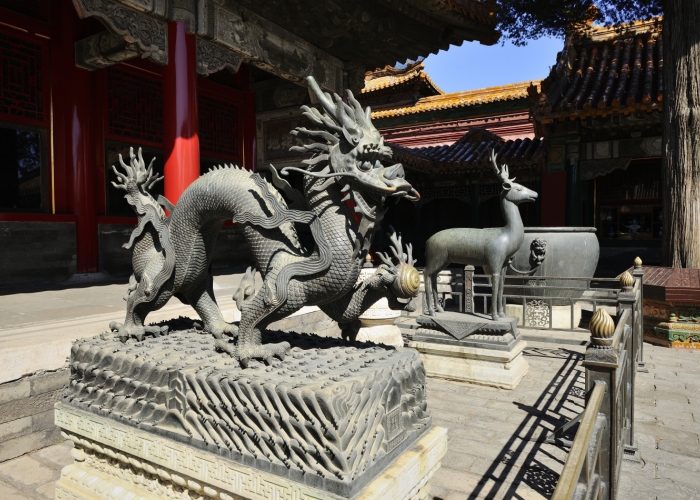
The layout of Chuxiu Palace, like many imperial residences, follows a traditional pattern of a front hall, a rear hall, and side rooms arranged around a central courtyard. Yet, what distinguishes Chuxiu is the exceptional richness of its finishes and the symbolic depth of its embellishments. The Su-style painted beams, fine teak doors, and intricate latticework all contribute to an atmosphere of refined elegance. Auspicious motifs, such as “Five Blessings” and “Longevity” patterns, are woven into the very fabric of the palace, reflecting imperial hopes and aspirations.
Chuxiu Palace is flanked by extraordinary bronze statues of kylins (mythical creatures) and deer. These statues, cast specifically for Cixi’s 50th birthday, carry profound symbolism. Dragons traditionally represent imperial power, while deer symbolize harmony and wealth. Their combined presence subtly underscored Cixi’s growing ambition and her commanding position within the court.
Cixi: Transformed Chuxiu Palace Into a Power Center
The indelible mark of Empress Dowager Cixi is perhaps the most significant factor in Chuxiu Palace’ s prominence. She first resided here as a young consort, “Lan Guiren,” and it was within its rear hall, the Lijing Pavilion, that she gave birth to Zaichun, who would later become the Tongzhi Emperor. This pivotal event set her on a path to immense political power. Later, for her extravagant 50th birthday in 1884, Cixi returned to Chuxiu Palace and invested a staggering 630,000 taels of silver in its renovation. This lavish expenditure transformed the palace into her personal sanctuary and a formidable base of power.
Once home to Empress Dowager Cixi, Chuxiu Palace reveals the hidden world of imperial women through its beautifully preserved halls, tranquil courtyards, and fascinating exhibits. Whether you’ re drawn by its history, architecture, or quiet charm, Chuxiu Palace invites you to slow down, explore, and feel the living echoes of China’ s royal past.