
This article aims to unveil the artistic treasures of calligraphy and painting housed within the Forbidden City, offering readers a glimpse into their cultural, historical, and aesthetic significance. From imperial masterpieces to works by renowned literati, these art forms were not merely decorations but powerful expressions of ideology, taste, and personal emotion. Calligraphy reflected the refinement and intellect of emperors and scholars, while painting brought nature, mythology, and court life vividly to life. Together, they formed the soul of the Forbidden City, embodying the highest achievements of Chinese artistic tradition across centuries.
What makes the calligraphy in the Forbidden City so historically profound?
Calligraphy, deeply revered in Chinese culture, transcended mere writing to become a profound art form. Within the Forbidden City, calligraphic masterpieces served as powerful symbols of erudition, moral integrity, and imperial power. The collection showcases a remarkable evolution of styles and techniques, reflecting centuries of artistic development and the personal touch of emperors and master calligraphers.
How do “The Three Rarities” embody the pinnacle of calligraphic art?
Among the most celebrated calligraphic treasures are “The Three Rarities” from the Eastern Jin Dynasty (317–420): Wang Xizhi’s Clearing After Snowfall, his son Wang Xianzhi’s Mid-Autumn Festival, and Wang Xun’s Letter to Boyuan. These works are revered for their antiquity, exceptional artistic quality, and profound influence on Chinese calligraphy. Their presence within the imperial collection underscores their status as foundational examples of the art form, meticulously preserved and admired for generations.
How did Emperor Qianlong’s passion shape the imperial calligraphy collection?
Emperor Qianlong (1711–1799) was a fervent admirer and collector of calligraphy, whose personal dedication profoundly impacted the imperial collection. He not only acquired priceless works but also actively engaged in the practice of calligraphy himself, often leaving his personal inscriptions on artworks. His admiration for “The Three Rarities” led to the creation of the Model Books of Calligraphy from the Hall of Three Rarities, containing over 300 meticulously reproduced calligraphic works. His efforts ensured the preservation and dissemination of these masterpieces, embedding them deeper within the cultural foundation of Chinese imperial art.
In what ways does calligraphy integrate with the architecture of the Forbidden City?
Calligraphy is not confined to scrolls and books; it is an inseparable element of the Forbidden City’s architectural fabric. Calligraphy tablets adorn gates, halls, and walls throughout the palace complex. These tablets, often featuring gilded characters against blue backgrounds and symbolic dragon reliefs, serve both decorative and functional purposes. They designate areas, convey imperial edicts, and imbue spaces with meanings of peace, longevity, and prosperity. The horizontal or “volume-tablet” shapes are aesthetically designed to harmonize with the architectural spaces, enhancing the immersive cultural environment unique to the Forbidden City.


How do paintings in the Forbidden City unveil narratives of imperial life and artistic evolution?
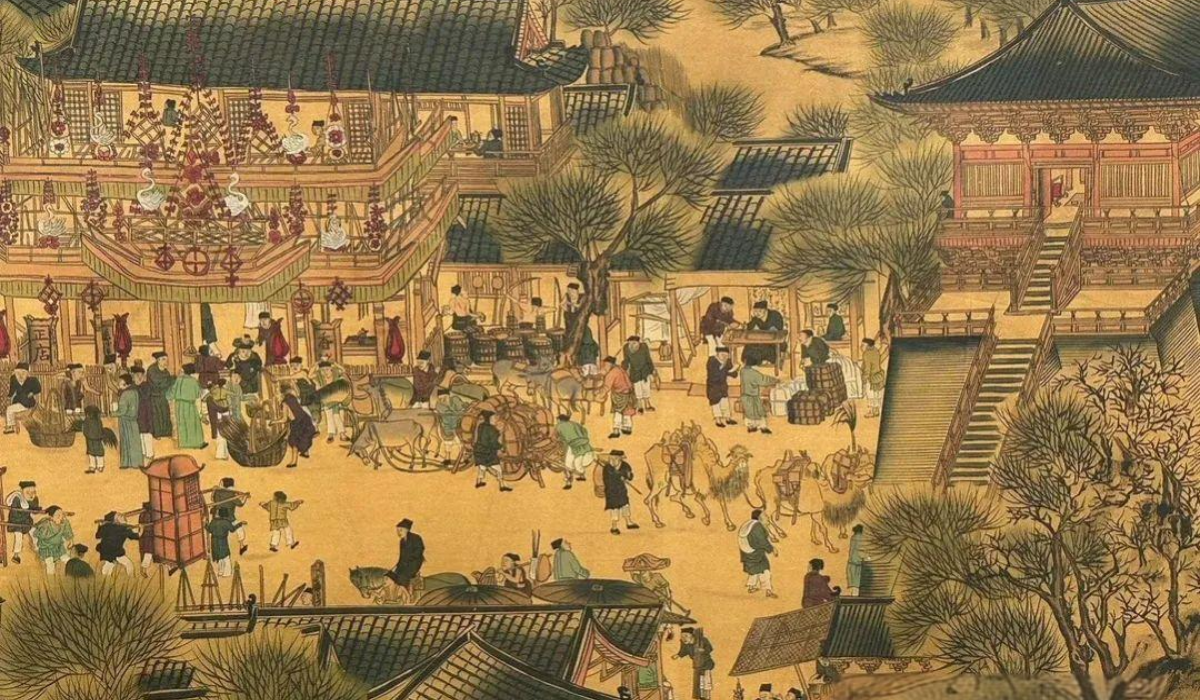
The painting collection within the Forbidden City is equally vast and significant, offering a visual chronicle of imperial life, historical events, and the diverse artistic sensibilities of various dynasties. From grand court scenes to serene landscapes, these paintings captivate with their beauty and historical insights.
What types of paintings form the core of the imperial collection?
The Forbidden City‘s painting collection is diverse, encompassing landscapes, figure paintings, court scenes, and historical narratives. Noteworthy works include the detailed landscape paintings of Wang Hui from the Qing Dynasty, which exemplify the literati tradition, emphasizing brushwork, poetic inscription, and atmospheric rendering. The album of the Jinchuan Campaigns by Xu Yang vividly narrates military exploits, providing valuable insights into imperial power and military history. These works reflect the artistic trends and thematic preferences of their respective eras, from the Tang, Song, Yuan, Ming, and Qing dynasties.
How does painting intertwine with imperial power and symbolism?
Paintings within the Forbidden City were not merely aesthetic objects; they often contained symbolic elements that reinforced imperial authority and conveyed messages of prosperity, longevity, and harmonious rule. Auspicious motifs, mythical creatures, and allegories reflecting Confucian, Daoist, and Buddhist ideals were common. During the Qing Dynasty, emperors actively used paintings to demonstrate their cultural patronage and legitimize their divine right to rule, making art a powerful tool of political expression and cultural soft power.


How does the synergy between calligraphy and painting elevate the Forbidden City’s art?
A defining characteristic of Chinese imperial art, particularly within the Forbidden City, is the symbiotic relationship between calligraphy and painting. These two art forms are often inseparable, enhancing each other’s aesthetic and intellectual value.
How do inscriptions and imagery create a holistic artistic experience?
Many paintings in the Forbidden City are accompanied by calligraphic inscriptions, poetic lines, or personal seals, turning each piece into a multi-sensory experience. This integration allows for a richer narrative, where the visual imagery is complemented by literary meaning and philosophical depth. For instance, Southern Song dynasty handscrolls might feature delicate brushwork depicting classic poetry scenes alongside calligraphic lines by celebrated Tang calligraphers like Yan Zhenqing. This combination reflects the Chinese aesthetic ideal of integrating different art forms to convey a harmonious cultural vision.
Why is the calligraphy and paintings a microcosm of Chinese artistic and cultural ideals?
The collections in the Forbidden City exemplify the Chinese ideal of integrating scholarly achievement, moral integrity, and imperial virtue through art. The meticulous preservation, the imperial patronage, and the seamless blend of art with architecture highlight a profound respect for cultural legacy. The artworks serve as tangible links to China’s past, illustrating not only the evolution of artistic techniques but also the enduring philosophical and cultural values that shaped one of the world’s greatest civilizations.
How has modern technology brought the Forbidden City’s art to new audiences?
In recent years, the Forbidden City has embraced digital platforms to make their vast collections more accessible. Collaborations with organizations like Google Arts & Culture allow virtual exploration of artworks, including detailed images of calligraphy and paintings. This digital accessibility complements traditional exhibitions, ensuring that the masterpieces of the Forbidden City continue to inspire and educate a global audience, bridging geographical distances and language barriers.


Frequently Asked Questions and Answers (FAQs) about the Calligraphy and Paintings in the Forbidden City
What are the "Three Rarities" in Forbidden City calligraphy?
The “Three Rarities” refer to three highly revered calligraphic works from the Eastern Jin Dynasty: Wang Xizhi’s Clearing After Snowfall, Wang Xianzhi’s Mid-Autumn Festival, and Wang Xun’s Letter to Boyuan. They are considered foundational masterpieces of Chinese calligraphy.
What is the relationship between painting and calligraphy in Chinese imperial art?
In Chinese imperial art, painting and calligraphy are often intertwined. Many paintings feature calligraphic inscriptions, poetic lines, or artist/emperor seals. This integration enhances the artwork’s aesthetic and intellectual depth, allowing for a richer narrative and philosophical expression, embodying a holistic artistic ideal.
Where are the Forbidden City's art collections housed today?
The vast majority of the Forbidden City‘s art collections are now housed and preserved within the Palace Museum (Forbidden City) in Beijing. Some pieces are also exhibited in the Taipei Palace Museum.