
Palace of Heavenly Purity: Highlights of Forbidden City Tour
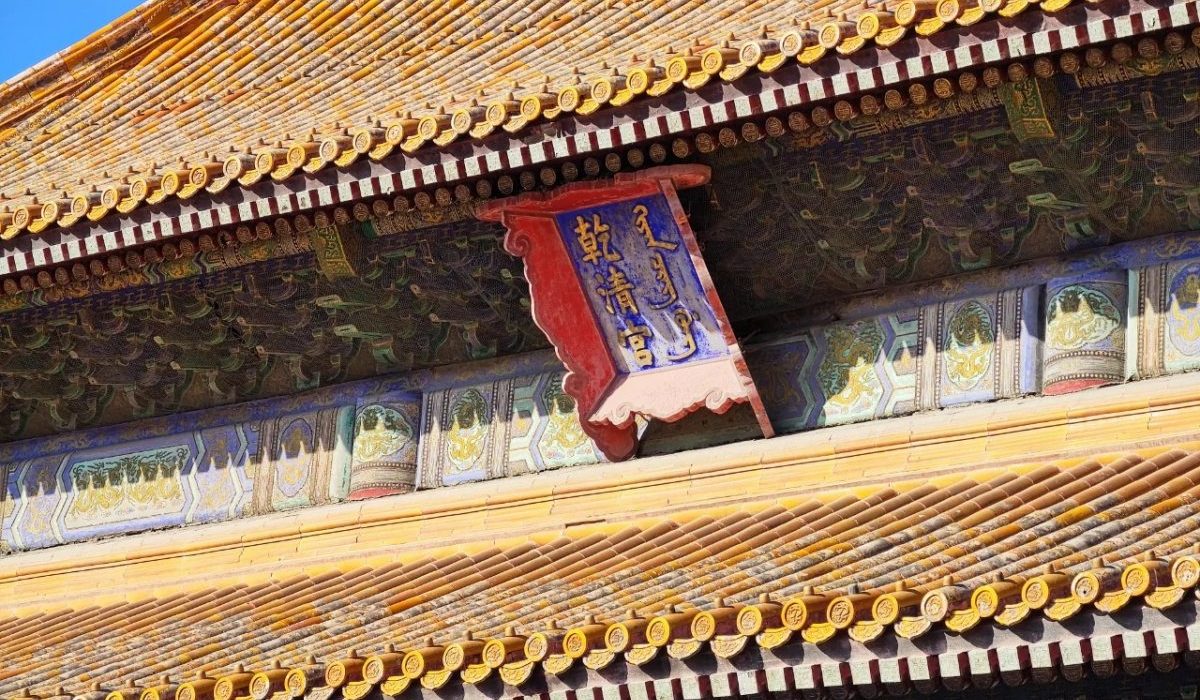
When you visit the Forbidden City in Beijing, you might wonder where the emperor washed and groomed. The Palace of Heavenly Purity served as the emperor’s bedroom and daily office during the Ming and Qing dynasties. Today, it remains preserved in its original form within the Beijing palace complex as part of the Palace Museum. With rich historical, artistic, and architectural value, this unique palace offers a deep look into imperial life and is a key stop on any Forbidden City tour.
Where to Find the Palace of Heavenly Purity Location?
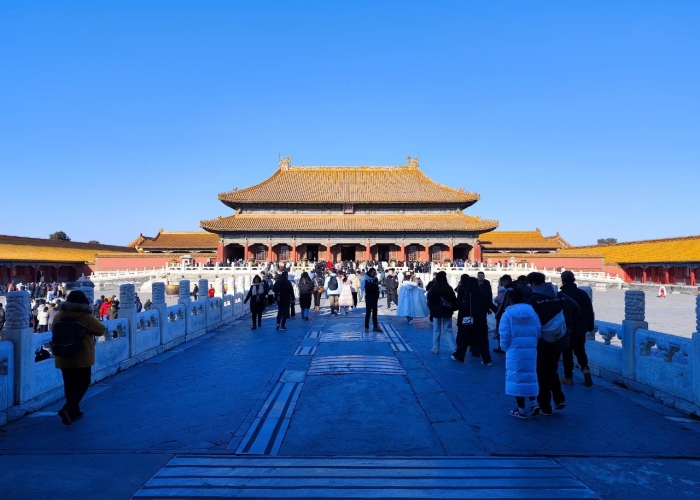
After visiting the Hall of Supreme Harmony, Hall of Central Harmony, and Hall of Preserving Harmony along the central axis and passing through the Gate of Heavenly Purity, you will arrive at the Palace of Heavenly Purity in the Beijing palace. This is a must-see stop on any Forbidden City tour.
Precise Positioning
- Section: Inner Court (Nèi Tíng)– This was the emperor’s private area, reserved for daily life and inner affairs.
- Central axis:After passing the three main halls of the Forbidden City, The Palace of Heavenly Purity
Walking Guide from Outer Court
- Start:Enter the Inner Court through the Gate of Heavenly Purity (Qiánqīng Mén).
- First Sight:The Palace of Heavenly Purity immediately appears, dominating the open courtyard.
- Distance: About 200 meters north of the Hall of Preserving Harmony, along the central axis of the Forbidden City.
What You Must Know About the Palace of Heavenly Purity?
The Palace of Heavenly Purity, also known as Qianqing Gong, is one of the three main halls in the Inner Court of the Forbidden City. It is located at the northern end of the Beijing palace complex. Its construction dates back to 1420 during the early Ming Dynasty.
From Residence to Royal Office
- Imperial Residence:For many years, the Palace of Heavenly Purity served as the emperor’s main bedroom and living space.
- Sleeping Quarters Design:The palace was divided into nine rooms across two levels, containing 27 beds. This design allowed the emperor to sleep in a different bed each night to avoid assassination and improve security.
- Shift in Function:During the Yongzheng Emperor’s reign (1723–1735), the emperor relocated his residence to the Hall of Mental Cultivation, a smaller hall to the west.
- New Role as Audience Hall:After this move, the Palace of Heavenly Purity became a formal space for court sessions, where the emperor met with ministers, hosted banquets, and received foreign envoys.
- Political Centerpiece:At the heart of the hall stood the imperial throne and writing desk, symbolizing the emperor’s authority and serving as the center of daily political activities.
What to See Inside the Palace of Heavenly Purity?
The Imperial Throne
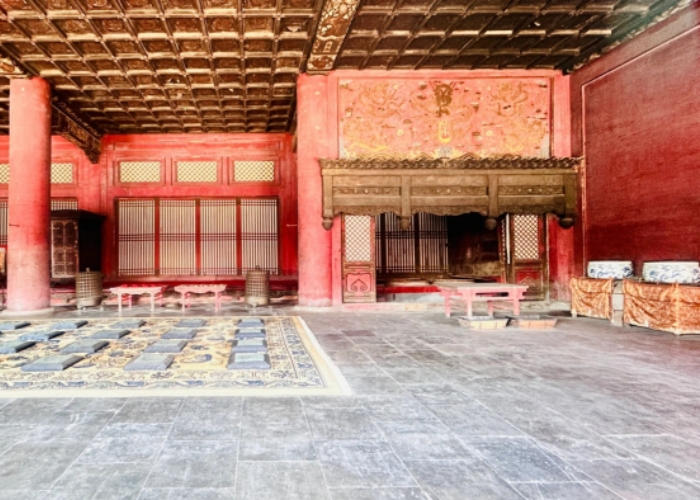
At the center of the Palace of Heavenly Purity in the Forbidden City stands the emperor’s throne, carved with dragons and clouds. Above it hangs a plaque reading “Zheng Da Guang Ming”, meaning “open and aboveboard”—a symbol of honest rule. Behind the plaque, Qing emperors hid a sealed box containing the name of the next heir, a secret method used to prevent power struggles and ensure smooth succession.


Dragon Carvings and Symbols
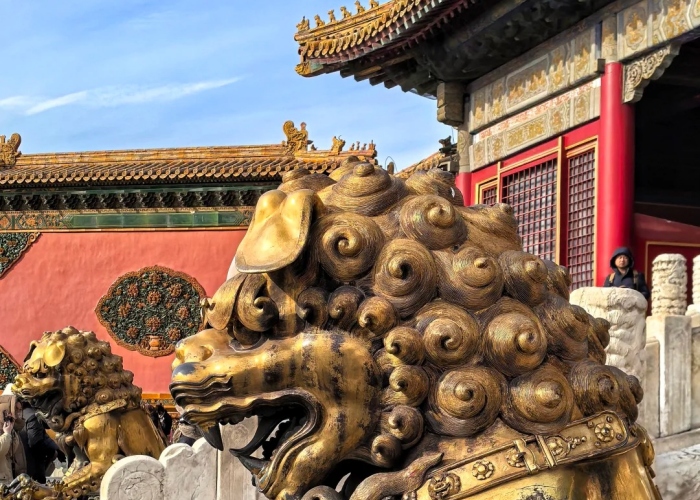
Dragons are everywhere in the Palace of Heavenly Purity. You’ll see them carved on the throne, painted on the beams, molded into the roof tiles, and even etched into the floor. In Chinese culture, the dragon is the ultimate symbol of the emperor—standing for power, wisdom, and divine authority. Inside the Forbidden City, especially in this palace, these symbols were more than decoration. They reminded everyone that the emperor was the center of the empire and ruled by heavenly mandate.


The Screen and Sleeping Chamber
Behind the throne in the Palace of Heavenly Purity, a tall screen divides the official hall from the emperor’s sleeping chamber. This layout reflects how tightly public duty and private life were linked in the Forbidden City. For Ming emperors, this palace was not just a workplace—it was home. Even while resting, they stayed close to the heart of imperial power, always ready to rule.
Conclusion: Palace of Heavenly Purity
Feature | Description |
Construction Date | Built in 1420 during the Ming Dynasty, restored in 1798 after multiple fires. |
Primary Function (Early) | Main residence and sleeping quarters for Ming and early Qing emperors (e.g., 27 beds for security). |
Primary Function (Later) | Audience hall, venue for state affairs, receiving ministers, and grand banquets. |
Location | Largest building in the Inner Court, central axis, behind Gate of Heavenly Purity. |
Architectural Style | Double-eaved, hipped-roof on a single-level white marble platform. |
Notable Interior Elements | Imperial throne, “Zheng Da Guang Ming” plaque, secret crown prince box, intricate carvings and ceremonial objects. |
Cultural Significance | Symbolizes imperial power, emperor’s connection to Heaven, and yin-yang balance. |
Frequently Asked Question
Can I enter the palace of Heavenly Purity interior?
w from doorway only.
Guards block entry to protect artifacts, but use a zoom lens for throne details.
How long does it take to stay in the Palace of Heavenly Purity?
15-20 minutes.
Focus on the plaque, throne, and heating chamber entrances.
What places near the Palace of Heavenly Purity can be visited next?
Next to the Palace of Heavenly Purity, you can visit the Hall of Union and the Palace of Earthly Tranquility, which together form the Three Rear Palaces of the Forbidden City.