
How Was Feng-Shui Used in Forbidden City?
This article explains how Feng Shui shaped the design of the Forbidden City, showing how ancient Chinese beliefs influenced its construction. Built as the emperor’s palace for over 500 years, the Forbidden City was carefully planned using Feng Shui principles to create harmony with nature, attract positive energy (Qi), and show the emperor’s sacred power. Its layout—from the main north-south axis to the positioning of gates, halls, and decorations—followed Feng Shui rules to balance opposing forces (yin and yang) and protect against bad luck. By studying these choices, we can see how Feng Shui guided not just the building’s design but also its deeper meaning in Chinese history.
How Did Feng Shui Shape the Forbidden City’s Grand Layout?
The Forbidden City, an architectural marvel and a UNESCO World Heritage site, is a profound embodiment of Feng Shui principles. Its design was not merely aesthetic but a deliberate effort to align the imperial residence with cosmic forces, ensuring stability, prosperity, and the legitimacy of the emperor’s rule. The meticulous application of Feng Shui guided everything from the site selection to the orientation of individual buildings, creating a microcosm of the universe designed to channel auspicious energy, or “qi.”
Was the Site Chosen with Feng Shui in Mind?
The selection of the Forbidden City’s location was a paramount decision heavily influenced by Feng Shui. Emperor Yongle, who initiated its construction in the early 15th century, sought a site that would provide maximum auspiciousness for his new capital, Beijing. The fundamental Feng Shui principle of “leaning against mountains and facing waters” was meticulously applied. To the north, the artificial Jingshan Hill (Prospect Hill) was strategically constructed to act as a protective “Black Tortoise” mountain, shielding the palace from harsh northern winds and symbolizing stability and protection. To the south, the Golden Water River, a man-made water feature, was designed to flow in front of the palace, symbolizing wealth, prosperity, and a gentle flow of positive energy. This arrangement was crucial for establishing a balanced environment that would nurture the imperial dynasty.

How Did Symmetry and Orientation Apply Feng Shui?
A striking feature of the Forbidden City is its strict adherence to a north-south central axis and bilateral symmetry, both fundamental tenets of Feng Shui. This central axis, symbolizing the connection between Heaven and Earth, runs through the entire complex, aligning with the Pole Star (the “Purple Star”). This cosmic alignment reinforced the emperor’s role as the “Son of Heaven” and the earthly pivot of the universe. Buildings are symmetrically arranged on either side of this axis, creating a sense of balance and harmony, and ensuring an unimpeded flow of positive “qi.” All major structures within the Forbidden City face south, which is considered the most auspicious direction in Feng Shui, associated with warmth, light, and positive energy (yang forces). This southward orientation was believed to attract beneficial influences and ward off negative ones.

What Role Did Natural Elements Play in Forbidden City Feng Shui?
Even though the Forbidden City is a man-made structure, the integration of natural elements, both real and symbolic, was vital to its Feng Shui design. These elements were carefully orchestrated to optimize the flow of “qi” and provide both aesthetic beauty and functional benefits.
How Were Water Features Integrated for Feng Shui?
The Golden Water River, flowing through the southern part of the complex, is a prime example of water’s crucial role in Feng Shui. This man-made river, with its gentle, winding course, was designed not just for aesthetic appeal but also to symbolize wealth and purify the energy within the palace, carrying away negative influences. The surrounding 52-meter-wide moat served a dual purpose: a formidable defensive barrier and a significant Feng Shui element. The moat, like the river, was believed to collect and moderate “qi,” preventing its dissipation and enhancing the protective aura around the imperial residence. This intelligent design ensured that while serving practical purposes, these features also continuously nourished the palace with beneficial energy.

How Did Jingshan Hill Enhance the Forbidden City’s Feng Shui?
Jingshan Hill, located directly to the north of the Forbidden City, is an artificial mound specifically created to fulfill the “backing mountain” requirement of Feng Shui. This strategic placement served multiple functions: it acted as a physical barrier against harsh northern winds, symbolizing protection and stability, and completed the cosmic balance of “backing mountains and facing waters.” In ancient Chinese cosmology, a mountain to the north represented the Black Tortoise, a mythical guardian, thus providing a powerful symbolic shield for the imperial family.

How Did Feng Shui Influence Architectural Elements and Symbolism?
Beyond its grand layout, Feng Shui permeated the very fabric of the Forbidden City, influencing the choice of materials, colors, and even the numerical patterns embedded in its structures. These details were not arbitrary but deeply symbolic, aiming to reinforce imperial authority, ensure longevity, and maintain harmony within the realm.
Why Were Specific Colors Chosen in Adherence to Feng Shui?
The dominant colors of the Forbidden City – yellow and red – were deliberately chosen for their profound Feng Shui significance. Yellow, the color of the earth and the imperial family, signifies royalty, power, and stability. This is most prominently seen in the yellow-glazed roof tiles that adorn almost all major buildings, a privilege reserved exclusively for the Son of Heaven. Red, widely used for walls, gates, and pillars, symbolizes vitality, happiness, good fortune, and protection. These color choices are deeply rooted in the Five Elements theory (Wood, Fire, Earth, Metal, Water), with red representing fire and yellow representing earth, ensuring a balanced and harmonious energetic environment.

How Was Numerical Symbolism Incorporated through Feng Shui?
The number nine holds immense auspicious significance in Chinese culture, particularly in Feng Shui, where it represents eternity and the highest imperial authority. This is evident throughout the Forbidden City’s design. For instance, the main gate, the Meridian Gate, features nine rows of gold-plated nails on its doors. While the mythical count of 9,999 rooms is often cited, actual numbers vary, but the emphasis on nine and its multiples (e.g., 9,999.5 rooms) symbolically linked the emperor to the divine and ensured longevity for his dynasty. The meticulous placement of roof-ridge figurines, often in multiples of nine, further underscores this numerical auspiciousness.

How Did Feng Shui Shape the Division of Spaces and Protection?
The Forbidden City‘s layout reflects a clear hierarchical zoning that also aligns with Feng Shui principles, distinguishing between public ceremonial spaces and private imperial quarters. This division, coupled with various protective features, ensured both ritualistic grandeur and personal tranquility.
Why Does Feng Shui Dictate the Hierarchical Zoning?
The Forbidden City is divided into two main courts: the Outer Court and the Inner Court. The Outer Court, located in the southern section, was dedicated to official state ceremonies and public audiences. It embodies strong “yang” energy, characterized by large, open spaces like the Hall of Supreme Harmony, designed to accommodate grand events and project imperial majesty. Conversely, the Inner Court, situated to the north, served as the private residence for the emperor and his family. This area represents “yin” energy, featuring more intimate courtyards, enclosed gardens, and smaller palaces designed to foster tranquility and personal well-being. This deliberate separation ensured a balanced flow of “qi” for both the public and private aspects of imperial life, maintaining stability and harmony.
How Were Protective Features Enhanced by Feng Shui?
Beyond the moat and Jingshan Hill, other architectural elements served protective Feng Shui functions. The high, crimson walls surrounding the entire complex acted as a powerful energetic membrane, designed to keep prosperity within and ward off harmful influences. The four formidable corner towers, inspired by ancient pagodas, were strategically placed to trap and circulate beneficial “qi” within the compound, while also serving as watchtowers. Even the successive gates, such as Tian’anmen and the Meridian Gate, acted as energetic filters, gradually refining the “qi” before it reached the emperor’s most sacred spaces, underscoring a meticulous approach to security and energy management.
What Legacy Does Feng Shui Leave in the Forbidden City’s Design?
The Forbidden City stands as an enduring testament to the profound and practical application of Feng Shui in ancient Chinese architecture. Its design principles continue to resonate, offering insights into the holistic philosophy that guided imperial China.
How Does Feng Shui Influence Modern Understanding of the Forbidden City?
Studying the Feng Shui of the Forbidden City offers invaluable insights into Chinese culture, philosophy, and architectural genius. It reveals a worldview where the built environment is intricately linked to the natural world and cosmic order. The palace is not just a collection of buildings but a finely tuned instrument designed to harness and manage energies for the well-being of the emperor, his family, and the entire empire. This holistic approach, where functionality, aesthetics, and spiritual harmony converge, remains a powerful example of sustainable and culturally rich design.
What Broader Implications Does the Forbidden City’s Feng Shui Have?
The principles of balance, harmony, and alignment exemplified by the Forbidden City‘s Feng Shui have influenced urban planning and architecture beyond China’s borders. Its emphasis on integrating human constructions with natural features, optimizing energy flow, and creating spaces that promote well-being continues to inspire contemporary designers. The Forbidden City serves as a powerful reminder of how ancient wisdom can inform modern practices, offering timeless lessons on creating environments that are both functional and deeply connected to their surroundings. The foresight and detailed application of Feng Shui ensured that the Forbidden City was not just a residence, but a cosmic stage for imperial rule.
This table summarizes the key Feng Shui principles applied in the Forbidden City, detailing their specific manifestations and the symbolic benefits they were believed to confer upon the imperial residence and its occupants.
| Feng Shui Principle | Application in Forbidden City | Symbolic Meaning / Effect |
|---|---|---|
| Site Selection: Backing Mountain, Facing Water | Jingshan Hill to the North, Golden Water River to the South | Protection, stability, wealth, prosperity, balance of Earth and Water energies. |
| Central Axis & Symmetry | North-South alignment, symmetrical building arrangement | Cosmic order, imperial authority, harmonious “qi” flow, stability. |
| Southern Orientation | All major buildings face South | Auspicious direction, absorption of positive “yang” energy, good fortune. |
| Color Symbolism | Yellow roofs, red walls | Yellow for imperial power (Earth element), Red for vitality and protection (Fire element). |
| Numerical Auspiciousness | Emphasis on number nine (e.g., nine rows of nails, mythical room count) | Eternity, supreme authority, longevity of the dynasty. |
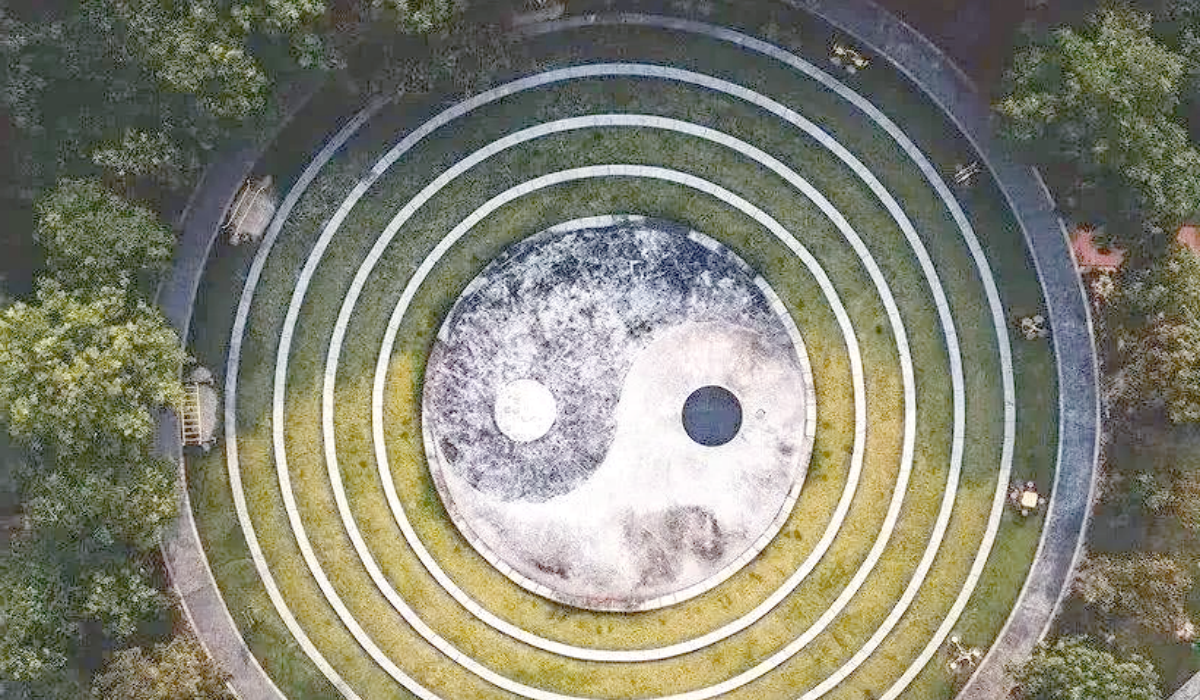
| Yin-Yang Balance | Outer Court (yang), Inner Court (yin) | Separation of public and private functions, balance of active and receptive energies for stability. |
| Protective Features | Moat, high walls, gate sequencing | Warding off negative energy, containing prosperity, filtering “qi” for auspicious flow. |
Frequently Asked Questions About Forbidden City Feng Shui
What is "qi" and how does it relate to Feng Shui in the Forbidden City?
“Qi” (pronounced “chee”) refers to the vital life force or energy. In Feng Shui, it’s believed to flow through environments. The Forbidden City’s design meticulously aimed to optimize the flow of positive “qi” while mitigating negative influences, thereby enhancing the well-being and fortune of the emperor and the empire.
Are there modern buildings that still use Feng Shui principles?
Yes, many modern buildings, particularly in Asia but also globally, incorporate Feng Shui principles. This can range from office buildings and hotels to residential homes, focusing on principles like optimal orientation, layout, water features, and material choices to create harmonious and prosperous environments.
Are there specific Feng Shui symbols in the Forbidden City?
Yes. The use of water features, guardian lions, color symbolism (like yellow for imperial power), and mythical animals such as dragons and phoenixes all carry deep Feng Shui meanings, promoting balance and protection.