

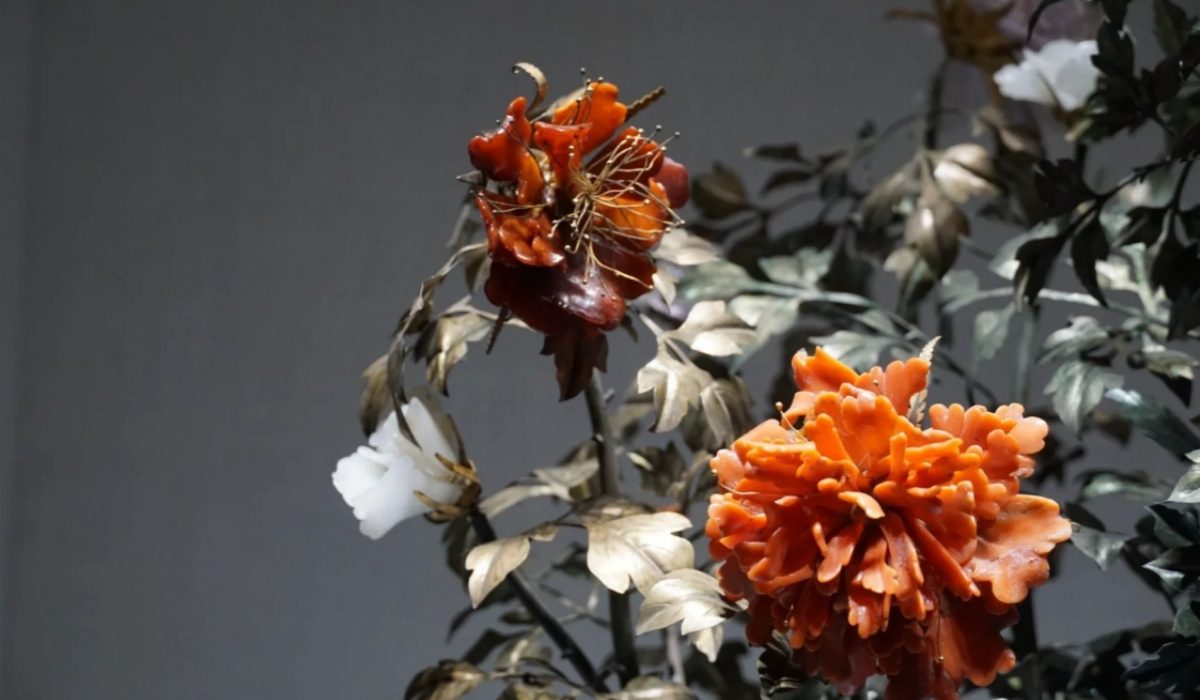
Forbidden City Jade and Gold Treasures: A Royal Legacy
The Forbidden City, known today as the Palace Museum, invites visitors to explore its extraordinary collection. Every item, especially the jade and gold, tells a story of power, tradition, and remarkable skill. Let’s embark on a journey to uncover the allure of these royal treasures, understanding their significance and the meticulous craftsmanship that brought them to life.
Jade: The Emperor’s Treasured Stone
Jade holds an unparalleled place in Chinese culture, revered for over 7,000 years. Cherished above gold and diamonds, it embodies Confucian virtues like hardness, purity, and beauty. Early jade objects from the Neolithic era began as tools, later becoming symbols of power and ritual. Today, the finest examples live in Beijing’s Forbidden City, where imperial artisans transformed nephrite jade—in hues from white to deep green—into breathtaking treasures. Wander its halls, and you’ll witness jade’s evolution: from ancient ranks to Forbidden City masterpieces that still whisper China’s deepest values.


🏛️Symbolism and Significance
Emperors treasured jade above all for its sacred meaning – embodying immortality, harmony, and Confucian virtue. Within the Forbidden City, artisans carved this “stone of heaven” into powerful symbols of imperial rule. Jade swords and ceremonial axes displayed in the Treasure Gallery proclaimed authority, while dragons (power) and phoenixes (fortune) coiled across their surfaces. Today, these masterpieces still radiate imperial might from their home in Beijing’s Palace Museum, where jade’s eternal virtues echo through history.
🌌Masterful Craftsmanship
The Forbidden City preserves the pinnacle of China’s jade artistry – a sophisticated craft using abrasive techniques (not chisels) to shape sacred stone. This demanding process birthed breathtaking masterpieces, especially under Qing emperors. Inside the Treasure Gallery, you’ll witness this zenith: ceremonial scepters, imperial ornaments, and intricate jade burial suits carved with astonishing precision. These works transform unyielding rock into fluid, lifelike forms – a testament to imperial workshops that once thrived within these palace walls.
🏮Notable Jade Artifacts
Plain Qing Dynasty Bi Disc
Material: Nephrite jade (Hetian or Kunlun origin), typically pale celadon or white.
Function: Ritual object for astronomical ceremonies (e.g., solstice rituals).
Example in Collection: Dragon Cloud Jade Bi (龙纹玉璧) – Carved with cloud patterns, not dragons/phoenixes.


Great Jade Mountain of Yu the Great
Status: Correctly identified as “Jade Mountain of Great Yu Taming Waters” (大禹治水图玉山) in the Palace Museum.
Details:
Weight: 5,000 kg (not “five tons”; 5 tons ≈ 4,535 kg).
Craftsmanship: 10+ years of carving by Jiangsu artisans under Qianlong’s supervision.
Location: Displayed in the Treasure Gallery (宁寿宫区).


Qing Dynasty Jadeite Covered Bowl
Material: Carved from single block of jadeite (white base with natural green veins).
Design: Simple, elegant form without gem inlays; Qing jade focused on material purity and sculptural harmony.
History: Part of the Qing Court collection, now in Palace Museum’s Treasure Gallery. Published in Treasures of Imperial Court (2004, pg. 226).


Gold: A Dazzling Reflection of Imperial Wealth
Gold, with its inherent value and brilliant luster, was extensively used throughout the Forbidden City. It served as a clear indicator of the emperor’s immense wealth, power, and divine status. Gold artifacts were integrated into every aspect of imperial life, from daily utensils to ceremonial regalia and grand architectural embellishments.
🐉Luxury and Status Symbolism
Gold’s dazzling presence in the Forbidden City defined imperial power and divine authority. Emperors surrounded themselves with gold ornaments, jewelry, and vessels – not just for beauty, but as commanding status symbols. Stand beneath the golden roof tiles of the Hall of Supreme Harmony, and you witness this language of supremacy: the emperor’s presence radiated from these gilded structures. Today, the Treasure Gallery showcases how gold conveyed unshakeable authority – from dragon-throne details to ritual cups – proving why this metal reigned supreme within China’s imperial palace.
🛡️Exceptional Gold Craftsmanship
Imperial workshops employed the most skilled artisans to create stunning gold wares. Techniques like gilding, inlay, and intricate filigree were used to produce masterpieces. Some gold objects are so finely detailed and well-preserved that they appear newly made, despite being centuries old. The artistry involved in crafting these pieces is truly remarkable, reflecting a high degree of technical mastery.
⚖️Key Gold Artifacts
Golden Eternal Solid Cup
Correction: Replaces “Gold Cup for Emperor Qianlong’s 30th birthday”
This iconic ritual vessel was crafted for Emperor Qianlong’s 80th birthday (not 30th) and used in New Year ceremonies to pray for stability. Made of 500g solid gold, it features:
Elephant-shaped feet symbolizing imperial steadfastness
Twisting dragon handles and gemstone encrustations (11 pearls, 21 rubies/sapphires)
Inscriptions: “金瓯永固” (Golden Realm Eternal) and “乾隆年制” (Qianlong Reign)
Qianlong personally oversaw its design, issuing 10 decrees to perfect its craftsmanship.


Gold Cloud-Dragon Pattern Censer
Correction: Replaces “Gold Cloud-Dragon Incense Burner”
Used in imperial processions, this censer creates a mystical smoke effect:
Three elephant-head feet (not elephant-trunk handles) for stability
Perforated cloud-dragon patterns on the gold body
Dragon-adorned chains for portability
When incense burned, smoke rose through the dragon motifs, creating the illusion of dragons soaring through clouds during rituals.


Where to See the Treasures of the Forbidden City
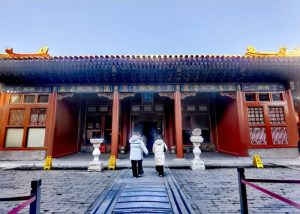
To fully appreciate the splendor of these treasures, a visit to the Forbidden City’s Treasure Gallery is essential. Located in the Palace of Tranquil Longevity, in the peaceful northeast sector of the Forbidden City, this gallery is thoughtfully divided into three halls, each offering a unique perspective on imperial life and its precious artifacts.
- Hall of Spiritual Cultivation: Here, you can find a stunning array of jade seals, ceremonial weapons, and intricately crafted gold animal figurines. These items were used in various imperial rituals, showcasing the spiritual and authoritative aspects of the emperor’s rule.
- Hall of Joyful Longevity: This hall displays magnificent imperial crowns, pearl-studded hairpins, and dazzling gold Buddhist icons. These objects provide insight into the personal adornments and religious practices of the emperors and empresses.
- Belvedere of Well-Nourished Harmony: This section is home to some of the most exquisite jade carvings in the collection, including monumental jade mountain carvings and a miniature version of the famous Nine-Dragon Wall. These displays exemplify the grand scale and artistic ambition of imperial art.
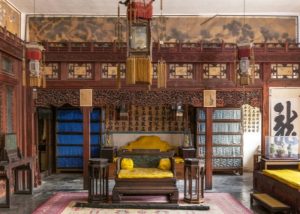
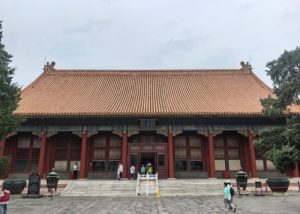
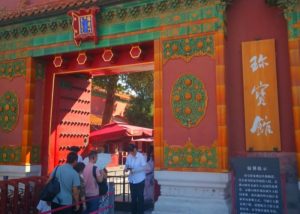
The jade and gold treasures of the Forbidden City are symbols of China’s royal legacy, showcasing the craftsmanship, artistry, and cultural values of ancient China. From the purity of jade to the brilliance of gold, each piece tells a story of emperors, rituals, and perfection. A visit to the Forbidden City and its Treasure Gallery offers a unique opportunity to connect with this rich heritage, bridging the past and present through the enduring splendor of these remarkable artifacts.
Frequently Asked Questions
Why are jade and gold treasures so important in the Forbidden City?
Jade and gold treasures are important because they symbolize imperial power, wealth, purity, and virtue. They reflect the highest levels of ancient Chinese craftsmanship and provide valuable insights into the customs, beliefs, and daily lives of the emperors and their courts.
Can I visit the Treasure Gallery in the Forbidden City?
Yes, the Treasure Gallery is a key attraction within the Forbidden City (Palace Museum). It is located in the Palace of Tranquil Longevity in the northeast part of the complex. Visitors can explore three different halls showcasing various jade and gold artifacts.
What kind of items are displayed in the Treasure Gallery?
The Treasure Gallery displays a wide array of imperial items made from jade and gold, including ceremonial vessels, ornate jewelry, imperial seals, intricate carvings, and decorative objects used in court life and rituals.
How are these ancient treasures preserved?
The Palace Museum employs skilled conservators who use a combination of traditional techniques and modern scientific methods to restore and preserve the treasures. Ongoing conservation efforts ensure these artifacts are protected for future generations.