

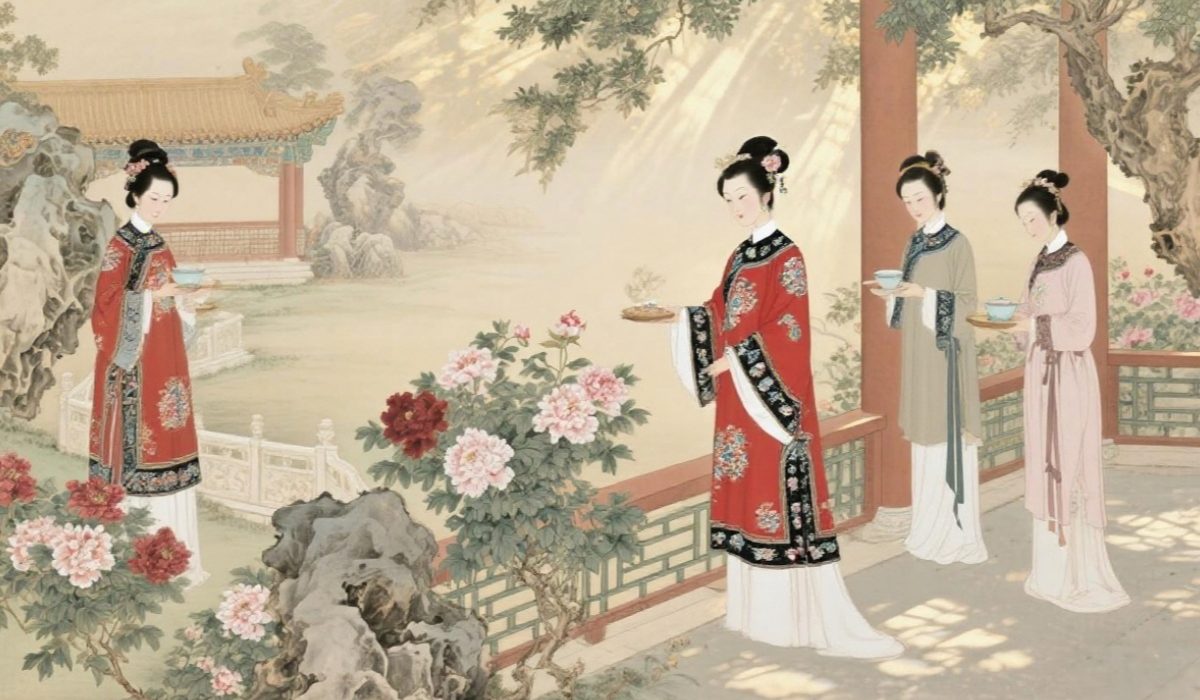
The Mysteries of the Forbidden City’s Imperial Harem
The imperial harem was a complex system of power, politics, and strict hierarchy, dictating the lives of thousands of women. This article delves into the fascinating, often harsh, realities of life within this exclusive domain.
What is Imperial Harem?
An imperial harem was the private, guarded section of a royal palace. It housed the emperor’s immediate family and household. This included his wives, concubines, unmarried daughters, and young sons. The emperor’s mother (Empress Dowager) also lived there, often holding great influence. A large staff supported them, including many female servants and special male servants called eunuchs (who were castrated to ensure security). While providing the emperor companionship, the imperial harem was primarily about protecting the royal family, managing the emperor’s private life, and ensuring the dynasty continued by having children. It was a complex community with strict rules, not simply a pleasure palace.
What was Life of a Chinese Concubine?
Life as a Chinese concubine was a paradox of potential luxury and profound constraint. Girls, typically between 14 and 16 years old, were chosen for their beauty, virtue, and family background, often from noble families, to bolster political alliances. Once selected, they were confined to the Forbidden City, their existence governed by a rigid system overseen by eunuchs. A concubine’s primary purpose was to bear children, especially sons, to secure the imperial lineage. Giving birth to a male heir often dramatically elevated her status and influence.

A Day in the Inner Palace
Daily life for concubines was often mundane, marked by strict routines. Mornings typically began with roll calls, prayers, and lessons in etiquette, music, and calligraphy. Afternoons might be spent in embroidery, playing games like Chinese Chess, or strolling among the lacquered pavilions. However, every moment was tinged with the underlying competition for the emperor’s attention.
Isolation and Intrigue
Despite the potential for luxury, many concubines experienced profound loneliness and isolation, separated from their families and the outside world. The harem was a hotbed of jealousy and intrigue, with women constantly vying for favor. Those who failed to conceive or fell out of favor often faced neglect, demotion, or even harsher fates. Empress Dowager Cixi, initially a concubine, exemplifies how some women, through cunning and ambition, could rise to extraordinary power, even influencing state affairs for decades.
How Many Wives Did Chinese Emperors Have?
Chinese emperors adhered to a distinct marital structure: they had one official wife, the Empress, who held the highest rank and was considered the “mother of the nation.” Beyond the Empress, the number of consorts and concubines varied enormously across dynasties and individual emperors, ranging from a few dozen to several thousand. There were generally no fixed upper limits on the total number of women an emperor could have in his harem.

Symbolism and Succession
While often exaggerated in historical accounts and poetry (with figures like “3,000 beauties” symbolizing immense power rather than precise numbers), the sheer scale of some harems reflected the emperor’s status and virility. For instance, Emperor Kangxi of the Qing Dynasty was said to have had over 3,000 consorts, though many of these would have been lower-ranking concubines and attendants. The system was fundamentally designed to ensure a multitude of heirs for the continuation of the dynasty and to forge political alliances by selecting women from powerful families.
How Did Chinese Emperors Treat Their Concubines?
The treatment of concubines was highly inconsistent, largely dependent on the individual emperor’s personality, the concubine’s social standing, and her ability to bear children, particularly sons. Some emperors were kind and generous, showering favored concubines with gifts, luxurious living quarters, and even allowing them to offer political advice. Others were indifferent or outright cruel.
Frequently Asked Questions (FAQs) about Imperial Harem
Did any Chinese emperors have male consorts/husbands?
Historically, there is no official record of Chinese emperors having male consorts or husbands within the formalized imperial harem system. While some historical accounts and private diaries suggest that certain emperors might have had close relationships or favored male companions, these relationships were never formalized as marriages or concubinage within the imperial structure.
Was there a Chinese emperor without concubines?
The practice of polygamy, including concubinage, was deeply embedded in Chinese imperial culture. However, one notable exception was Emperor Hongzhi of the Ming Dynasty (reigned 1487-1505). He was famously known for his monogamous relationship with his Empress, eschewing additional concubines.