

Why Some Ghost Stories of the Forbidden City Still Told?
For nearly 500 years, the Forbidden City was the center of imperial power, home to emperors, concubines, and officials. Tragic and violent events marked its history, leaving behind stories that continue to haunt the palace. What Ghost Stories in the Forbidden City About? Tales such as the weeping woman in white and the ghost of Consort Zhen, the Pearl Concubine, reflect the emotional history of the space. These legends transform the Forbidden City from a historical site to a place filled with human drama and lingering spirits.
Key Insights into the Forbidden City’s Enduring Ghost Stories
- A Legacy of Human Drama: The palace witnessed centuries of intense emotions, power struggles, and tragic demises, imbuing its very fabric with a potent sense of lingering presence.
- Atmosphere and Architecture: Its labyrinthine layout, vast empty spaces, and traditional designs intended to ward off spirits ironically fuel the imagination, making the complex a perfect setting for supernatural narratives.
- Cultural Resonance and Modern Engagement: Deep-seated Chinese beliefs in the spirit world, combined with modern curiosity and the amplifying power of social media, ensure these stories continue to be shared and evolve.
👻 Reason 1: Architectural Echoes and Eerie Ambiance
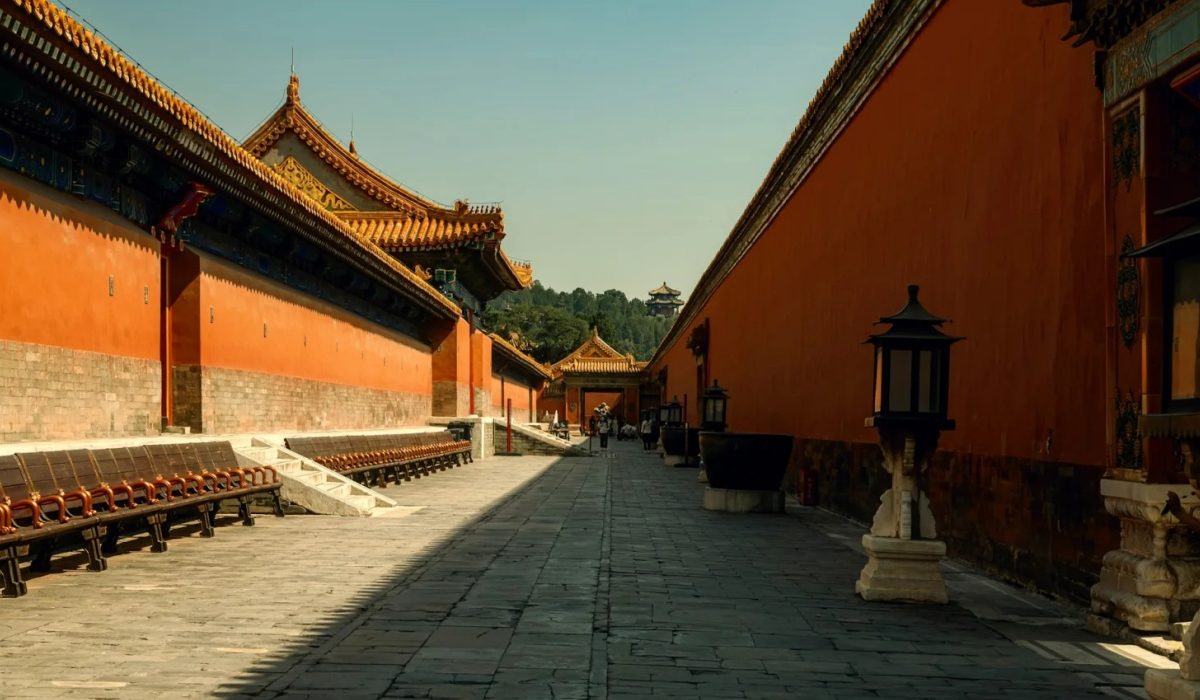
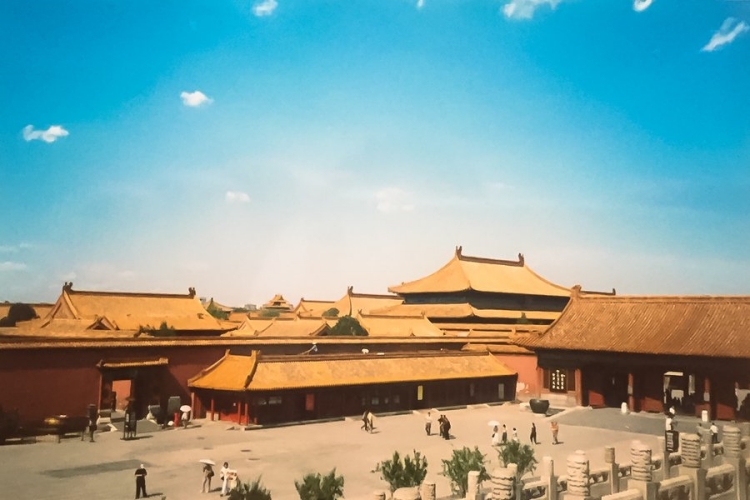
The Forbidden City’s vast, maze-like design, with 980 buildings and 9,000 rooms, fosters mystery. At night, creaking floors and rustling winds spark ghost stories, igniting imaginations and fueling tales of spectral whispers and unexplained phenomena. Its scale and silence make it a perfect setting for these eerie legends.

Traditional Chinese architectural features, like high thresholds at doorways, were believed to keep spirits out. Ironically, they now reinforce the idea that spirits are trapped within the Forbidden City. This mystique sparks speculation, leading visitors to wonder if the ghost stories hold truth as they explore its ancient grounds.
🧪 Reason 2: Cultural Beliefs and Timeless Folklore
In Chinese culture, ghosts and spirits are linked to history and ancestral reverence. The Forbidden City, with its imperial past, is seen as a place where the living and the dead coexist. Visitors often feel a unique energy, as if stepping into a realm where the past remains alive, fueling ghost stories.

The tales of emperors, empresses, concubines, and eunuchs with tragic or mysterious ends are woven into China’s folklore. These stories keep the Forbidden City‘s ghostly legends alive, from phantom flute music to sightings of ghostly animals, reflecting a deep cultural reverence for the unseen and historical memory.
🐉 Reason 3: Modern Curiosity and Entertainment Value
Today, the Forbidden City‘s ghost stories captivate not only believers in the supernatural but also tourists seeking paranormal encounters. Locals add to the allure by sharing these spooky tales, enhancing the palace‘s charm and making each visit more intriguing.

The digital age has amplified Forbidden City ghost stories. Social media and blogs buzz with personal accounts, keeping the palace in the global spotlight. These stories attract new audiences, blending history with thrilling mystery.
🌌 Reason 4: The Allure of the Unseen and Unexplored
A large part of the Forbidden City remains off-limits, fueling intrigue. Locked gates and restricted areas spark curiosity, inviting speculation about hidden spirits and intensifying the palace’s mystique.
💬 Reason 5: The Human Desire for Narrative and Connection
The ghost stories of the Forbidden City tap into our natural longing for mystery and connection to the past. While facts inform, these supernatural tales stir emotions and ignite the imagination. The already awe-inspiring Forbidden City becomes even more captivating with whispers of former residents and their lingering spirits.
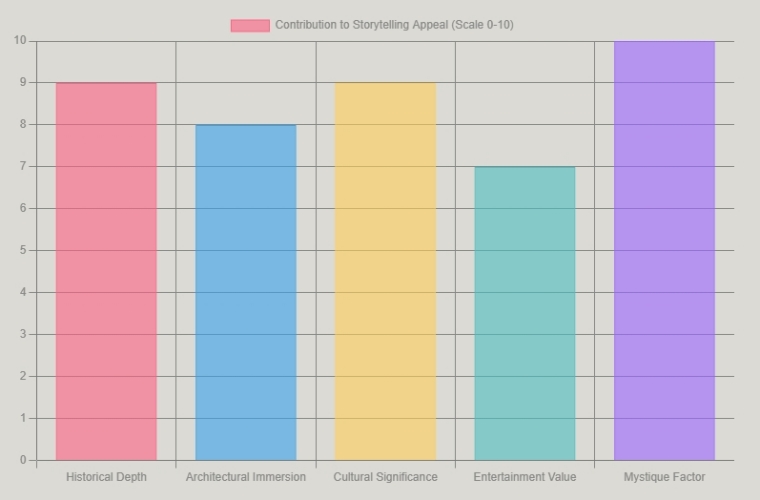
This bar chart shows how different aspects of the Forbidden City fuel its ghost stories. The highest ranking, “Mystique Factor,” highlights the intrigue of inaccessible areas and official ambiguities. Historical depth and cultural significance also score highly, revealing the foundation of these captivating narratives.
The Forbidden City‘s ghost stories are intertwined with its history, architecture, and Chinese cultural beliefs. Modern curiosity, amplified by social media and tour guides, keeps these legends alive. Whether supernatural or not, they add intrigue, turning a visit into an unforgettable journey where the past’s whispers linger.
Frequently Asked Questions
Are the ghost stories of the Forbidden City officially recognized?
No, the Palace Museum, which manages the Forbidden City, officially classifies these ghost stories as “fairy tales and urban legends,” not as factual occurrences.
What are some common types of ghost stories told about the Forbidden City?
Common stories include sightings of a weeping woman in white, the ghost of Consort Zhen (Pearl Concubine), eerie flute music at night, and unexplained sounds or apparitions of imperial staff or animals.
Why isn't the Forbidden City open at night?
The Forbidden City closes at night primarily for security, cultural preservation, and visitor safety — its ancient architecture and priceless artifacts require controlled conditions that daylight hours best provide.
Do these stories deter visitors from coming to the Forbidden City?
On the contrary, the ghost stories often enhance the allure of the Forbidden City, adding a layer of mystery and intrigue that attracts curious tourists seeking a unique historical and cultural experience.