

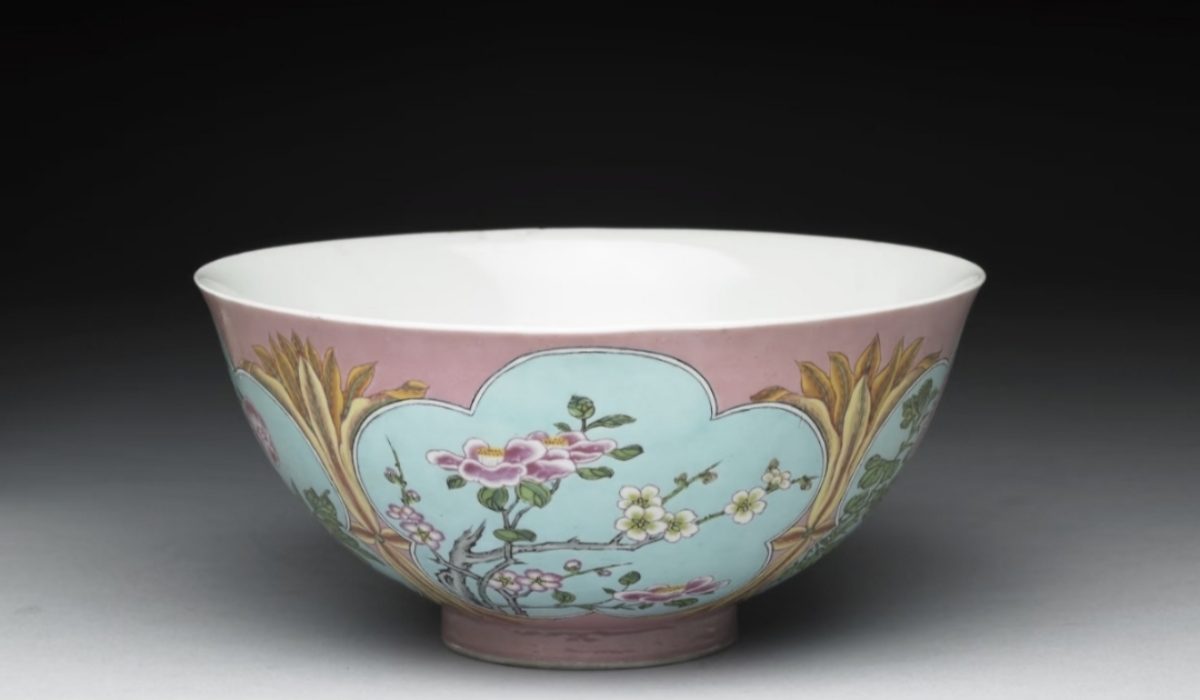
Chinese Ceramics in Forbidden City: Eastern Aesthetics Peak
· has various ceramics. Chinese ceramics are not merely decorative objects, but they are a vibrant narrative of artistic evolution, cultural exchange, and the daily life of emperors and their courts.
Where can I See Chinese Ceramics in Forbidden City?
The Ceramics Gallery(陶瓷馆 in Chinese), The Treasure Gallery(珍宝馆 in Chinese) and other palaces in Forbidden City provides several dedicated spaces for Chinese Ceramics.
The Ceramics Gallery
Located in the Hall of Martial Valor (武英殿 in Chinese), this is the primary exhibition space. It offers a chronological journey through the development of Chinese Ceramics from the Neolithic Age to the Republic of China, featuring thousands of artifacts. This gallery provides the most comprehensive overview.
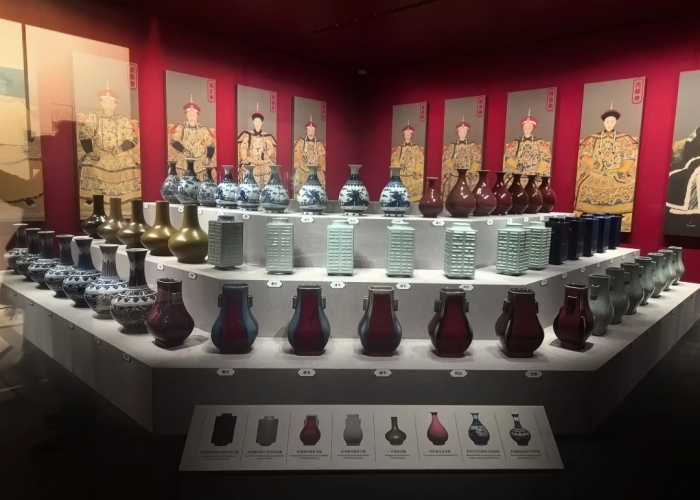
Situated in the Palace of Tranquil Longevity, this gallery displays some of the most exquisite and valuable imperial ceramics, often including pieces of unparalleled artistry and historical significance.
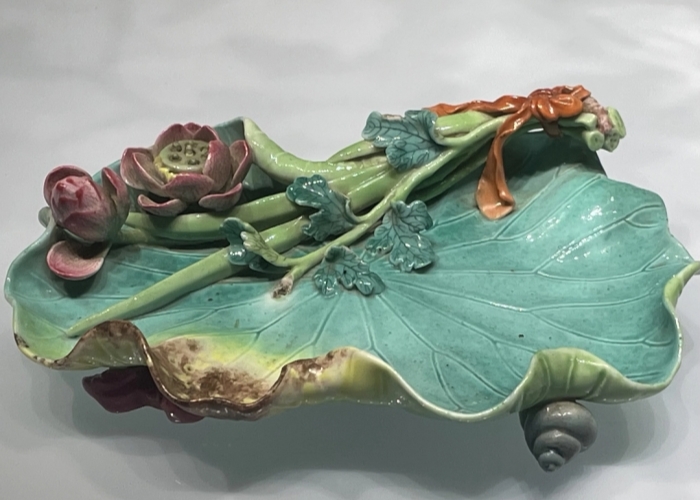
Original Palace Halls
Many ceramic pieces are displayed within the actual palace halls, such as the Hall of Supreme Harmony, allowing visitors to appreciate them in their historical context as they would have been used by the imperial family.
What Kinds of Ceramics can I see in Forbidden City?
Chinese Ceramic Pots
Pots were mainly used for practical purposes, such as holding food, water, or even for rituals. Some pots was highly prized during the Ming and Qing Dynasties. These pots often have intricate designs or patterns, making them beautiful as well as functional.
Chinese Ceramic Vases Antique
Chinese vases are some of the most famous ceramics in the Forbidden City. They are often tall and elegantly shaped, designed to hold flowers or simply as decorative pieces. Many of these vases feature colorful patterns, such as dragons or flowers. They represent both the art of Chinese pottery and the importance of nature in Chinese culture.
Ceramic Figures
These Chinese ceramics figures were often used in religious or spiritual ceremonies to represent protection or good fortune. Some figures were also created as decorations in the imperial palaces.
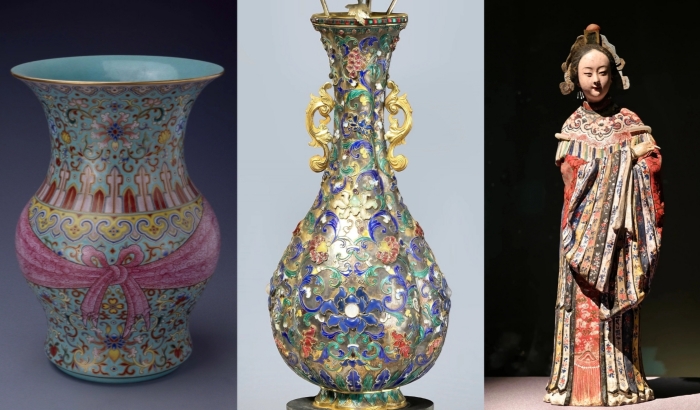
Chinese Ceramic Bowls
Chinese Ceramic bowls were used in royal banquets, while others had a more symbolic role in rituals or ceremonies. Like vases, these bowls often feature beautiful designs, such as lotus flowers or birds, and are made of porcelain or glazed pottery.
Chinese Ceramic Tea Set
Tea culture is an important part of Chinese heritage, and the Forbidden City has many examples of tea sets made of porcelain. These sets are often elegantly designed, with delicate cups and teapots featuring intricate designs. The art of tea-drinking was an important part of life in the palace, and these ceramics were not just functional but also symbols of refinement and elegance.
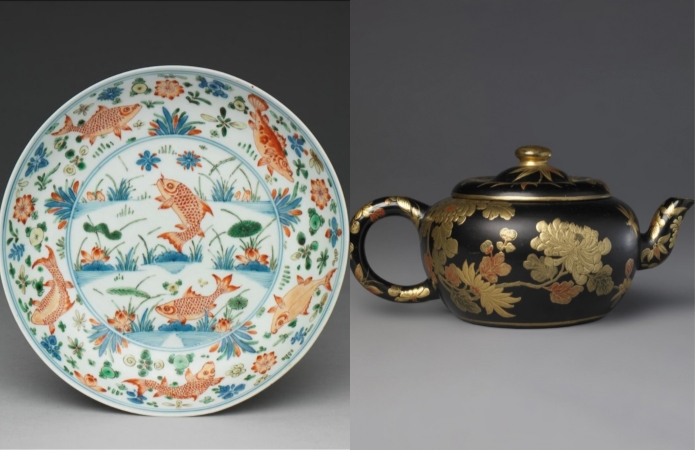
What are the difference between these Chinese Ceramics?
These Chinese ceramics were decorated by many Chinese paintings, and they belong to different kinds of porcelain. They are not merely functional objects but also canvases for masterful artistic expression. Skilled artisans transformed clay into storytelling masterpieces, blending art and function seamlessly.
Chinese painting on Ceramics
The paintings on Chinese ceramics are rich with symbolic meaning. Dragons, for instance, often symbolize imperial power and good fortune, while phoenixes represent peace and prosperity. Lotus flowers frequently appear as symbols of purity and spiritual growth. Landscapes often mirror classical Chinese scroll paintings, bringing miniature worlds to life on the ceramic surface.
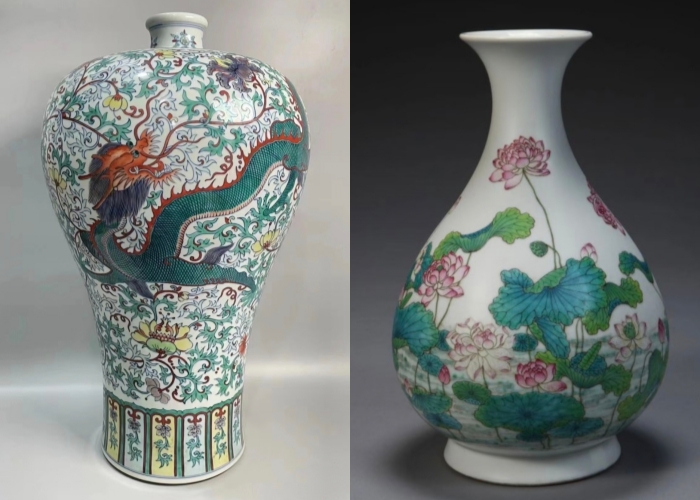
Various Ceramics
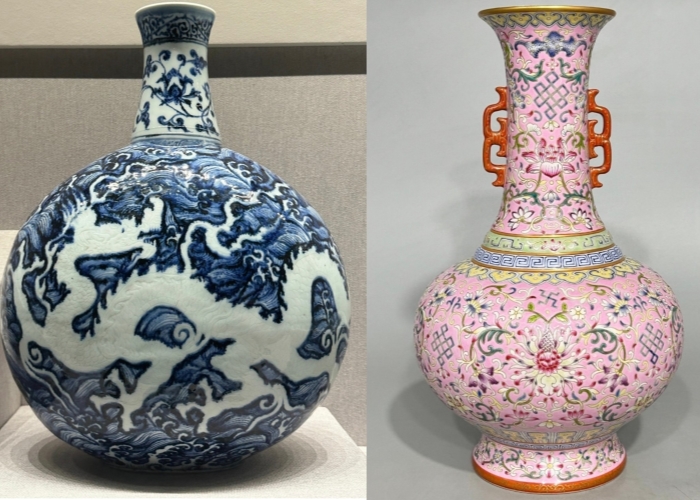
- Blue-and-White Porcelain
A globally recognized style, blue-and-white porcelain became popular during the Yuan Dynasty. It features intricate designs in cobalt blue against a pristine white background. These pieces often depict scenes from Chinese mythology, detailed floral patterns, and geometric motifs. - Famille Rose Porcelain
Developed during the Qing Dynasty, the famille rose technique introduced a wider palette of colors, most notably a distinctive pink or rose-colored enamel. These designs are typically more elaborate, showcasing scenes of court life, serene landscapes, and auspicious symbols.
Frequently Asked Questions (FAQs) about Chinese Ceramics in Forbidden City
How Did Chinese Ceramics Shape Ancient Daily Life?
Ceramics were a vital thread woven into the very fabric of China’s civilization and its global influence. Chinese ceramics were far more than just dishes. For thousands of years, they were essential for daily life, from cooking pots to imperial dinnerware. They played central roles in sacred rituals and showcased status and wealth, especially for the emperor. Most importantly, their beauty and quality made them prized worldwide, spreading Chinese culture through trade and diplomacy.