

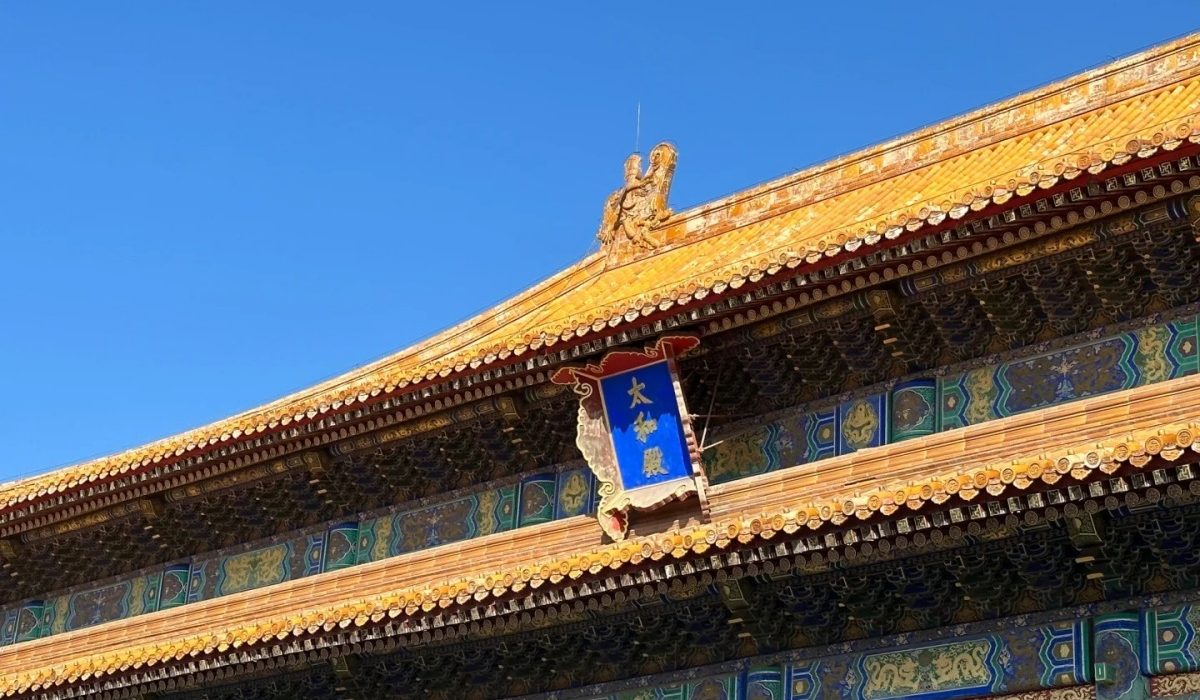
Forbidden City Outer Court: Differences Among the Three Halls
The Forbidden City in Beijing is one of the world’s most famous landmarks. At its heart lies the Outer Court, home to three magnificent halls. These halls are the Hall of Supreme Harmony, Hall of Central Harmony, and Hall of Preserving Harmony. Each has a unique role and meaning. Understanding their differences helps you appreciate the history and culture of this grand palace.
What Are the Differences Among the Three Halls?
All three halls sit in a line along the Forbidden City’s central axis in Beijing. Despite this, each hall has a distinct purpose:
Hall of Supreme Harmony
Role and Function:
The Hall of Supreme Harmony is the largest and most majestic. It hosted the grandest state ceremonies in the Forbidden City, such as emperor coronations, royal weddings, and important political events.Architectural Features:
This hall boasts a double-eaved hip-and-gable roof covered with yellow glazed tiles, a symbol of imperial authority in Beijing’s imperial palace. The roof ridges are lined with mythical beasts, believed to protect the palace from evil.Symbolism:
At the center sits the dragon throne, elevated on a platform decorated with dragons. This throne represents the emperor’s supreme power and his connection to heaven. The hall’s design and decorations emphasize authority, grandeur, and divine rule within the Forbidden City.
Hall of Central Harmony
-
Role and Function:
The Hall of Central Harmony is smaller and more intimate. It served as a resting place for the emperor before major ceremonies in the Forbidden City. The emperor also met with close officials here to prepare for important events. -
Architectural Features:
This hall has a simpler, balanced design. It creates a calm and private atmosphere, acting as a transition space between the grand Hall of Supreme Harmony and the functional Hall of Preserving Harmony. -
Symbolism:
The hall reflects the emperor’s need for inner balance and calm before state affairs. It represents harmony and focus, essential for effective leadership in the heart of the Forbidden City.
Hall of Preserving Harmony
-
Role and Function:
The Hall of Preserving Harmony served two main purposes. It was the site of the final imperial examinations, selecting top government officials in Beijing’s Forbidden City. It also hosted royal banquets and smaller ceremonies. -
Architectural Features:
Though grand, this hall is less imposing than the Hall of Supreme Harmony. Inside, a smaller golden throne adds dignity without overwhelming visitors. Behind the hall lies a colossal marble carving of nine dragons playing with pearls, symbolizing imperial power and protection. -
Symbolism:
This hall stands for tradition and order. It emphasizes the emperor’s role in preserving cultural heritage through education and ceremony in the Forbidden City.
Summary: Key Differences Among the Three Halls
This table clearly explains the differences among the three halls in the Forbidden City’s Outer Court. Each hall has its unique role, size, and symbolism, together creating a rich picture of imperial life and governance.
|
Hall Name |
Primary Ming Dynasty Use |
Primary Qing Dynasty Use |
Notable Architectural Feature |
Symbolic Significance |
|
Hall of Supreme Harmony (Taihedian) |
Grand ceremonies, enthronements, imperial weddings |
Grand ceremonies, major political announcements |
Largest wooden structure in China, elaborate throne |
Ultimate imperial power and grandeur |
|
Hall of Central Harmony (Zhonghedian) |
Emperor’s preparation for ceremonies, ritual object storage |
Emperor’s preparation for ceremonies, reviewing prayers |
Square shape, round roof, smaller and intimate |
Maintaining balance and central control |
|
Hall of Preserving Harmony (Baohedian) |
Emperor’s ceremonial robe changes, courtiers’ congratulations |
Imperial banquets, final Imperial Examination venue |
Massive carved marble ramp, ten roof animal statues |
Preserving harmony and order, academic excellence |
Why Visit the Outer Court of the Forbidden City in Beijing?
Walking through the Outer Court of the Forbidden City in Beijing lets you witness where history truly unfolded. You can feel the solemnity of the emperor’s role. You also gain insight into how rituals and governance intertwined in daily palace life. These halls are more than just buildings; they symbolize centuries-old Chinese culture and imperial authority.
Frequently Asked Questions
Which hall is most important?
Supreme Harmony:
-
Hosted China’s highest ceremonies.
-
Features the Dragon Throne and golden pillars.
-
Only hall with 10 roof guardians (highest rank).
Best photo spots?
-
Supreme Harmony: Central axis view from Meridian Gate.
-
Central Harmony: Doorway framing Supreme Harmony.
-
Preserving Harmony: Low-angle shot of the dragon ramp.
How much time per hall?
-
Supreme Harmony: 25 mins (grand scale).
-
Central Harmony: 10 mins (quick stop).
-
Preserving Harmony: 20 mins (ramp + exam history).
What will we visit at the next stop?
-
Immediately ahead: Gate of Heavenly Purity (Qiánqīng Mén) – the formal entrance to the Inner Court.
-
Beyond it:
-
Palace of Heavenly Purity (emperor’s residence)
-
Hall of Union (imperial seals)
-
Palace of Earthly Tranquility (empress’s quarters)
-